The Bushido Code: How Martial Arts Builds More Than Fighting Skills

August 11, 2026

A look at the values that shape how martial artists train, learn, and treat others
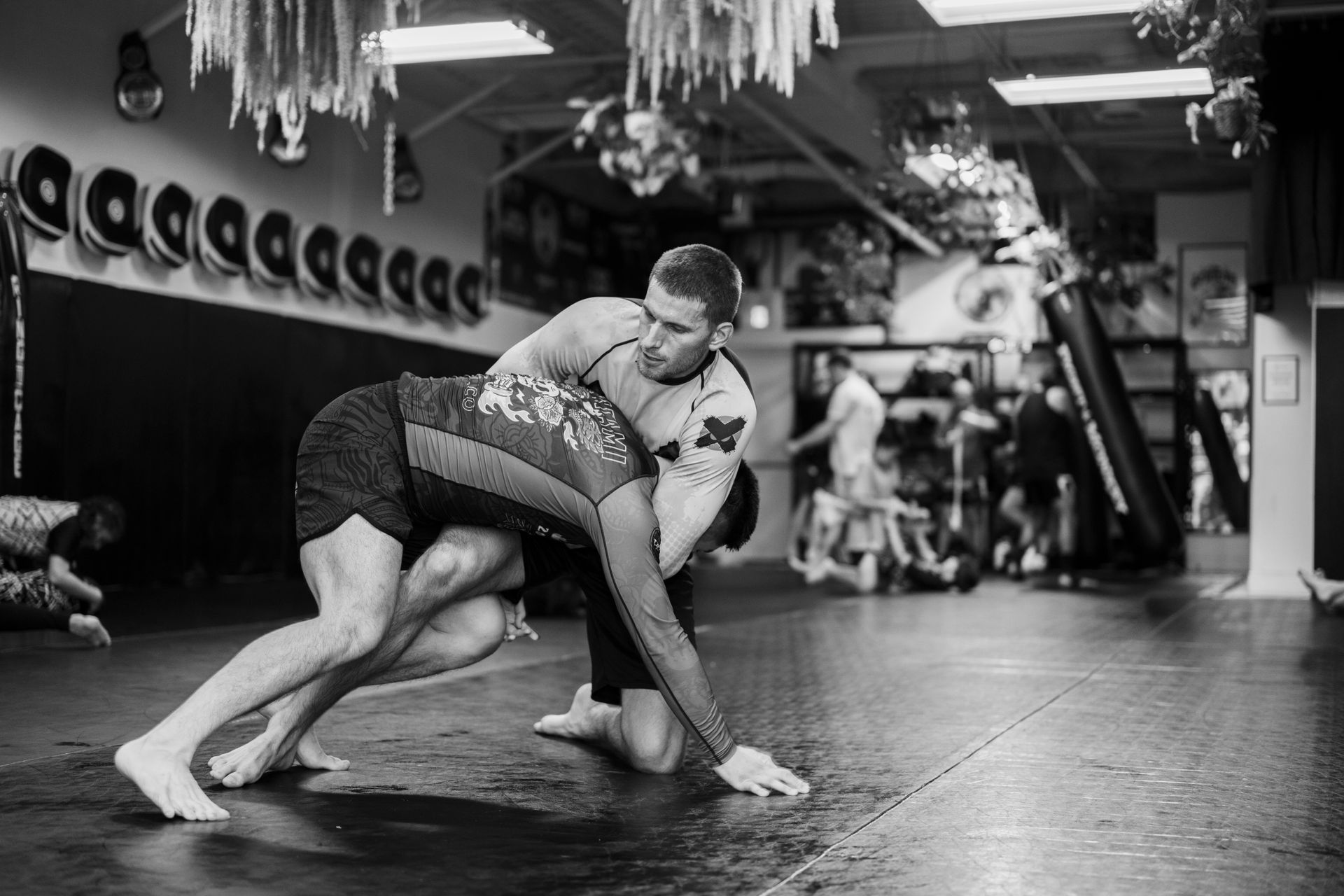
When most people think about martial arts, they think about the physical side of training: punches, kicks, takedowns, submissions, and self-defence.

Those skills are obviously a big part of it, but anyone who spends enough time training quickly realizes there’s more to martial arts than learning techniques. How you train, how you treat your teammates, and how you respond when things don’t go your way all matter.


Many of these ideas can be connected to Bushido, a historical code associated with Japan’s samurai. Often translated as “The Way of the Warrior,” Bushido is commonly linked to values such as respect, integrity, courage, self-control, honesty, loyalty, and compassion.


Of course, modern martial arts look very different, and not every discipline has a direct connection to Bushido. Still, many of the principles associated with it are easy to recognize in martial arts gyms today.

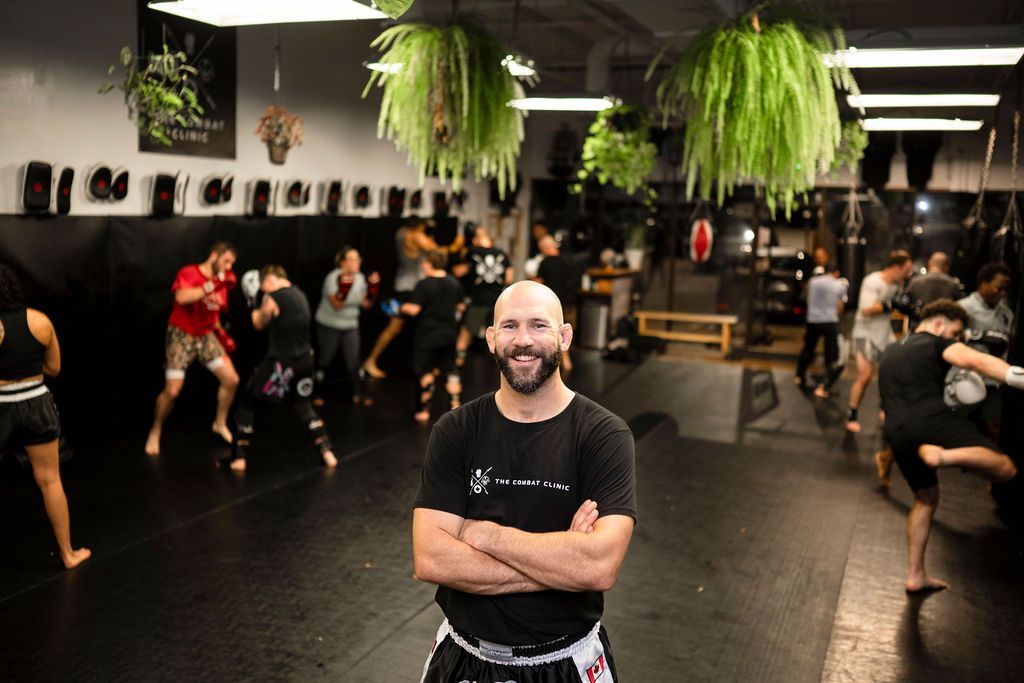
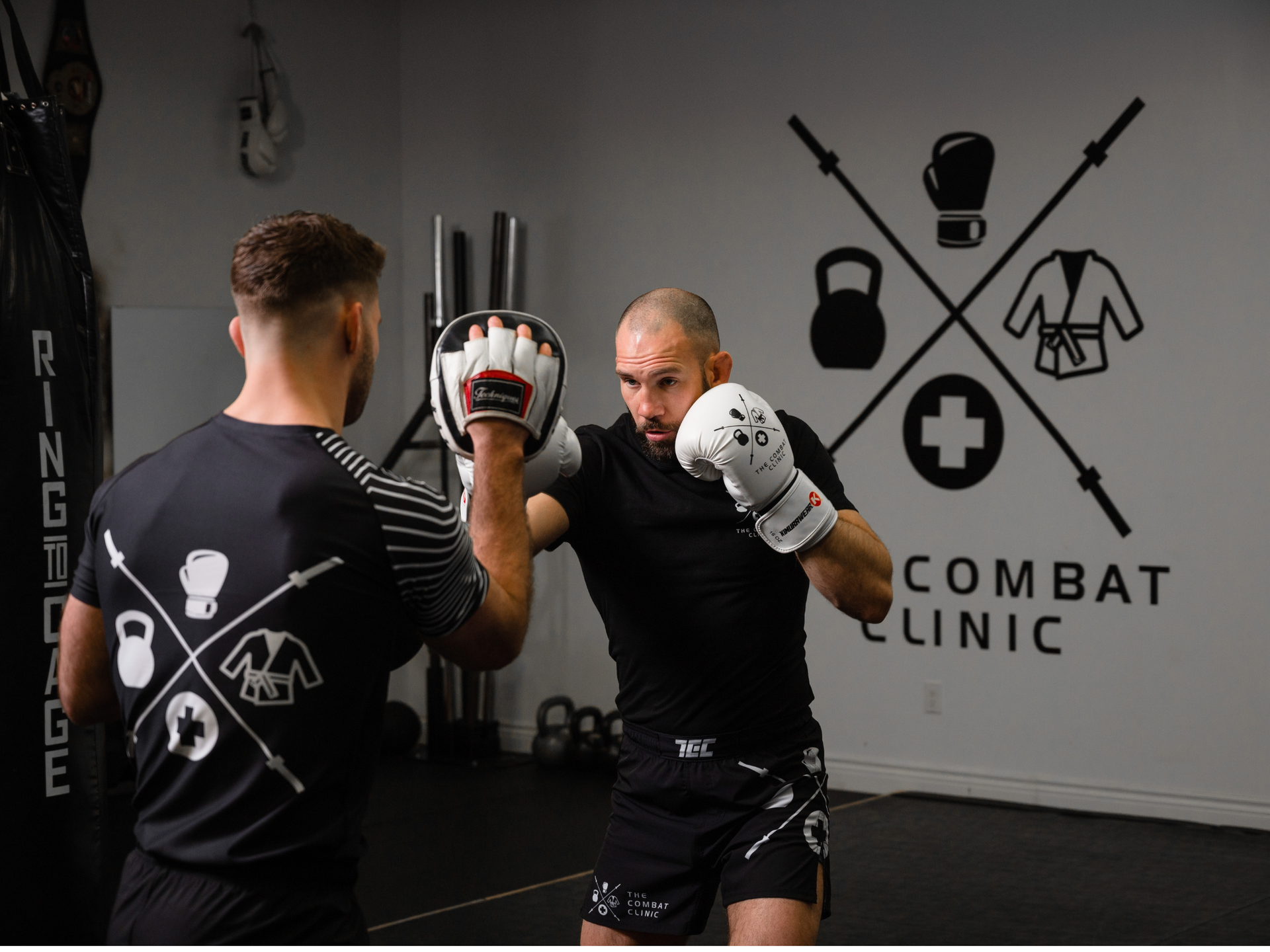
At The Combat Clinic, they tend to show up naturally through training.


Respect

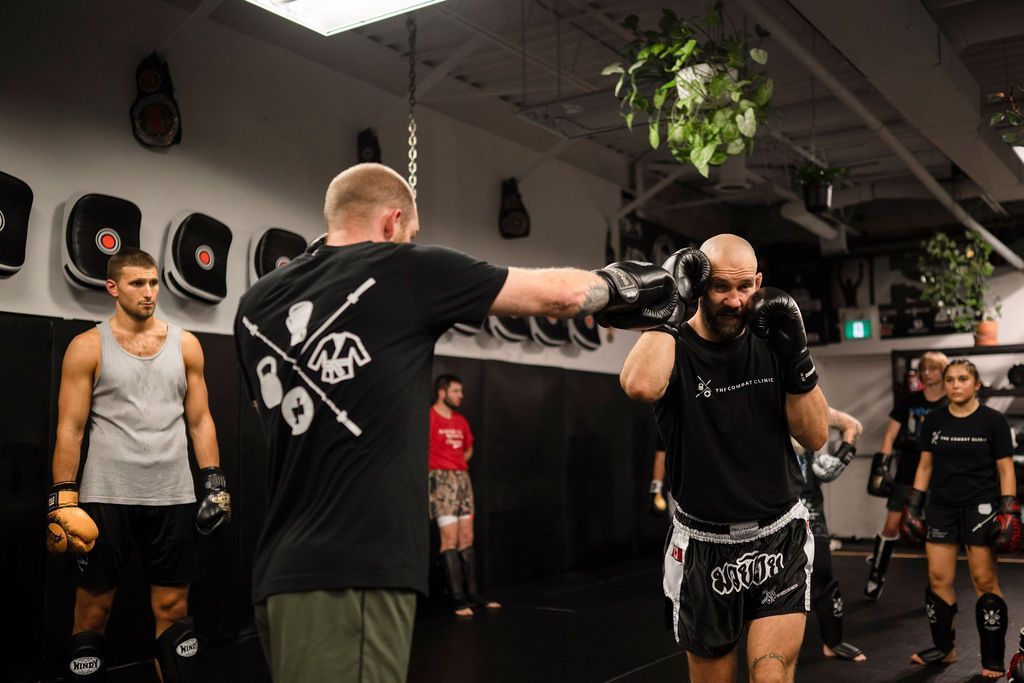
Respect is a basic part of training with other people. You’re trusting your partners to work with you safely, and they’re placing the same trust in you. That applies whether you’re working with someone who started last week or someone who has been competing for years.


It also means recognizing that people come to the gym for different reasons. Some want to compete. Others are there for fitness, self-defence, confidence, or simply because they enjoy training. You don’t need to have the same goals to have a productive round or class together.


Integrity

Martial arts involves a lot of personal accountability. A coach won’t be watching every repetition you do. Much of the time, it’s up to you to practice properly, follow the rules of the gym, and make sure you’re being a good training partner.


This becomes particularly important during drilling and sparring. There’s a difference between challenging your partner and simply trying to overpower them. Good training requires both people to understand the purpose of the drill or round and work accordingly. As you gain experience, that responsibility becomes a normal part of being on the mats.

Courage

Courage in martial arts doesn’t have to mean competing or stepping into a fight. Sometimes it’s much simpler than that. Walking into your first class when you don’t know anyone can be uncomfortable. So can trying a technique you’re struggling with, working with a new partner, joining a sparring session for the first time, or eventually signing up for a competition.


Training regularly puts you in situations that are unfamiliar or challenging, but in a controlled environment where you can gradually become more comfortable with them. You don’t have to stop being nervous before you try something new. You just get better at dealing with that feeling.


Self-Control

One of the biggest things newer martial artists learn is that more intensity isn’t always better.


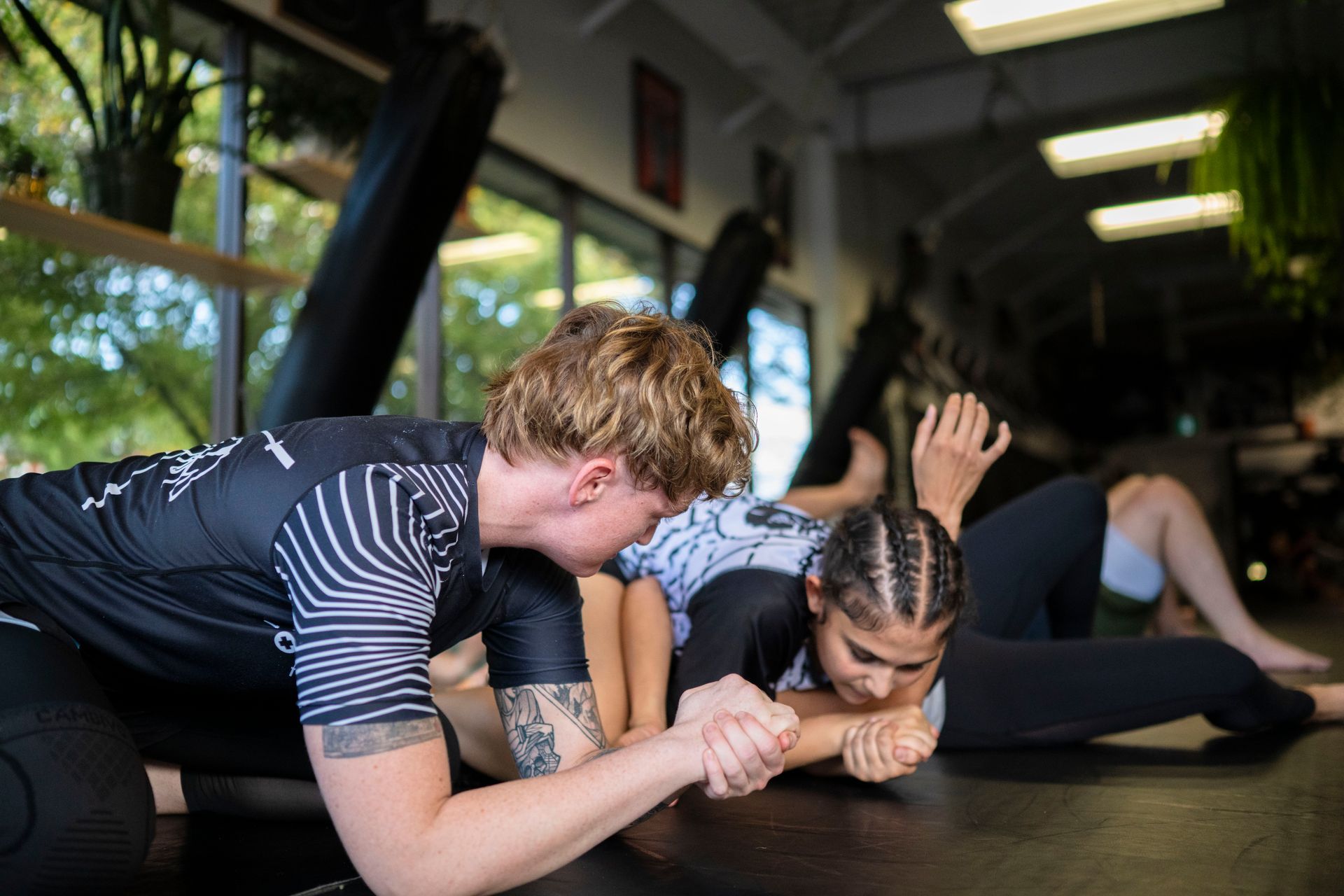
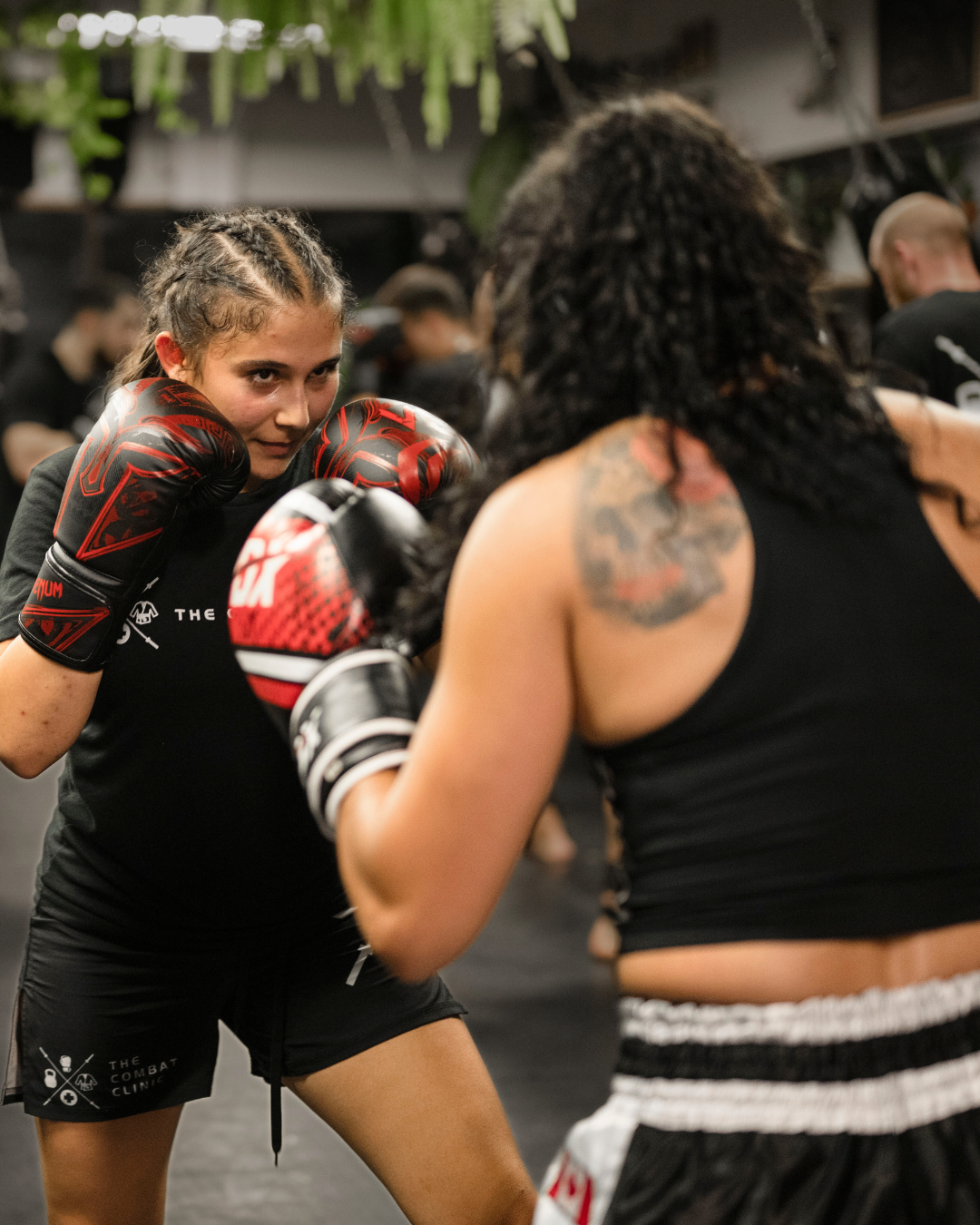
Punching harder, moving faster, or using more strength can sometimes make it harder to actually learn what you’re doing. In Muay Thai and Boxing, students learn how to control the power and pace of their strikes when working with partners. In No-Gi BJJ, students learn when to apply pressure, when to slow down, and when to give their partner an opportunity to tap or reset. That control becomes especially important when people of different sizes, ages, and experience levels train together.


As students improve, they generally become better at adjusting their pace to the person in front of them rather than approaching every round the exact same way.


Honesty

Martial arts gives you pretty direct feedback. Sometimes a technique works. Sometimes it doesn’t.


When something keeps going wrong, you have to figure out why. Your positioning might be slightly off, your timing might need work, or there may be a detail you’ve overlooked. Being able to recognize those mistakes without making excuses is an important part of improving.

The same applies to knowing your limits. If you’re exhausted, dealing with an injury, or unsure about something during training, communicating with your coach or partner helps keep the session safe and productive.


Loyalty and Community

Martial arts may look like an individual sport, but very little progress happens completely on your own.

You need coaches to teach you and training partners to drill and spar with. If you compete, you’ll often have teammates helping you prepare long before competition day.


That naturally creates a sense of community. You see many of the same people several times a week. You work through difficult classes together, help each other learn techniques, and eventually find yourself helping newer members with things you once struggled with yourself.

You’re responsible for your own progress, but the people you train with are a big part of it.


Compassion

Being a good training partner also means recognizing that different people need different types of rounds. A competitor preparing for an upcoming event may be looking for a high-paced, challenging round. Someone in their first week of BJJ probably isn’t. Knowing how to adjust your pace and intensity is part of becoming more experienced. The point of every round isn’t to prove that you’re better than the person across from you. Most of the time, you’re both there to practice, improve, and get ready to train again the next day.


What Does This Mean for Kids?

For parents considering martial arts for their children, these parts of training can be just as valuable as learning the physical techniques.

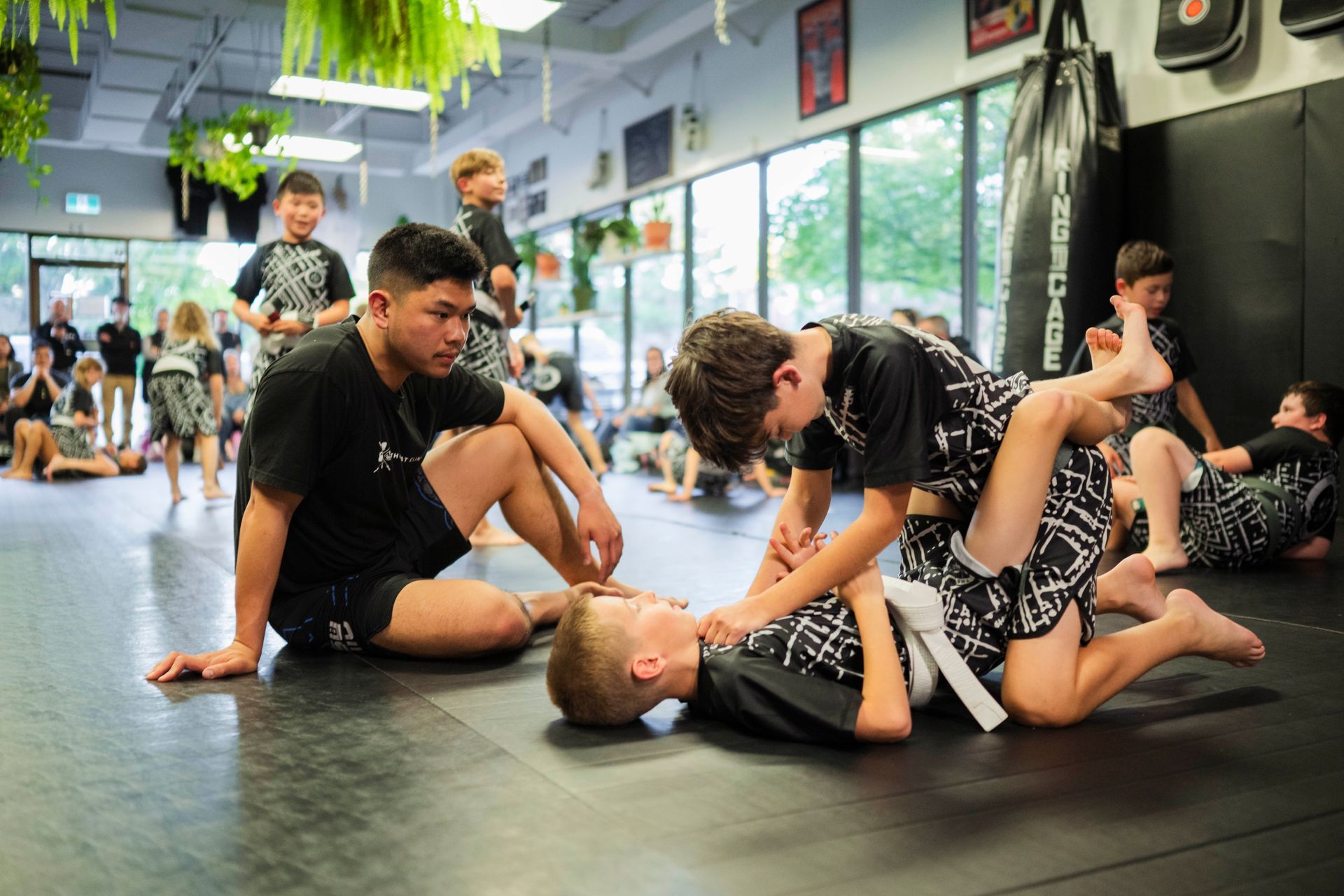
Kids have to listen to instructions, work with different partners, take turns, practice techniques, and learn how to control their intensity.

They’ll also run into moments where things don’t go their way.


A technique might be difficult. They might lose a game or drill. Another student may be more experienced than they are. Those moments give coaches an opportunity to reinforce patience, respect, self-control, and good sportsmanship in a structured setting. These aren’t necessarily lessons that need a big speech attached to them. They’re simply part of learning how to train with other people.


Martial Arts at The Combat Clinic

At The Combat Clinic in Burlington, we offer Muay Thai, Boxing, No-Gi Brazilian Jiu-Jitsu, MMA, Women’s Kickboxing, and kids martial arts programs.

Each discipline teaches different techniques, but the expectations around training remain fairly consistent: listen to your coaches, respect your training partners, control your intensity, and come ready to learn.


The physical skills are an important part of martial arts, but they’re only one part of what you practice when you walk into the gym.

Over time, learning how to train well becomes just as important as learning the techniques themselves.

August 7, 2026
Simple habits to help you train smarter and improve consistently.
July 28, 2026
Everything you need to know before stepping onto the mats for the very first time
July 22, 2026
Is Martial Arts actually safe?
December 6, 2025
If you've been thinking about trying martial arts but haven't pulled the trigger yet, you're not alone. Walking into an MMA gym for the first time feels intimidating, especially when you're picturing a room full of people who've been training for years. Here's what actually happens at The Combat Clinic in Burlington: you walk in, and you're surrounded by people who started exactly where you are. Women from all different backgrounds and fitness levels, working on their own goals, celebrating small wins, and helping each other improve. The environment isn't what you expect. It's challenging, yes, but it's also supportive, welcoming, and focused on progress over perfection. What Changes When You Start Training The benefits go far beyond learning how to throw a punch or execute a submission. Women who train consistently talk about feeling more confident in everyday situations: walking to their car at night, handling confrontation at work, or just moving through the world with a different energy. There's something powerful about knowing you can defend yourself if you need to. But it's not just about self-defense. Training at The Combat Clinic builds mental toughness. You learn how to stay calm under pressure, how to problem-solve when you're tired, and how to push past the voice in your head that says you can't. Whether you're drilling Muay Thai combos, rolling in No Gi BJJ, or working the heavy bag in our women's-only kickboxing class, you're training your mind as much as your body. And let's be honest: life is stressful. Martial arts gives you an outlet that actually works. There's something incredibly grounding about hitting pads, working through techniques, and leaving everything on the mats. You walk out of class clearer, calmer, and more in control than when you walked in. The Physical Side Is Real You'll get stronger. Your cardio will improve. You'll move better, feel better, and probably sleep better too. But the physical transformation is almost secondary to what happens mentally. The discipline you build, the resilience you develop, the way you start handling setbacks differently—that's what sticks with you long after class ends. Our coaches have serious competitive experience, but they're also experts at working with beginners. They know how to break down complex techniques, meet you where you are, and help you build a solid foundation. Whether you're training in our co-ed MMA classes or prefer the women's-only kickboxing sessions, you'll be learning from people who genuinely care about your progress. It Becomes Part of Who You Are What starts as "I'll just try a class" often becomes something much bigger. You stop seeing challenges as obstacles and start seeing them as opportunities to grow. You develop confidence that isn't loud or showy; it's just solid. You know what you're capable of, and that knowledge changes how you move through the world. The women training at The Combat Clinic in Burlington aren't all aspiring fighters. They're students, professionals, moms, and people just looking for something that makes them feel strong. What they all have in common is that they took the first step, and that step changed things. If you've been on the fence, now's the time. We offer MMA, Muay Thai, Boxing, No Gi BJJ, and women's-only kickboxing classes. Come try a class and see what it's about.
By scott hudson November 12, 2025
Mixed Martial Arts (MMA) has grown far beyond the spotlight of professional competition and it’s become a trusted way for families to help their kids build confidence, discipline, and healthy habits. At The Combat Clinic in Burlington, we see firsthand how martial arts training helps students at every stage of life develop physical fitness, emotional resilience, and respect for others. Whether your child is just starting school or entering their teen years, MMA offers lessons that extend far beyond the mats. Ages 4–7: Building Confidence and Coordination For our youngest students, MMA is all about learning through play and movement. Classes at this stage focus on developing balance, coordination, and listening skills in a fun, positive environment. Kids learn how to follow directions, focus on tasks, and work respectfully with partners, all skills that transfer directly to school and home life. Early exposure to martial arts also helps children feel proud of their progress, boosting self esteem in healthy, meaningful ways. At this age, the goal isn’t competition it’s confidence. Ages 8–12: Learning Discipline and Self-Control As kids grow, they start to crave independence and that’s where MMA really shines. Training teaches them the value of hard work, consistency, and respect for both themselves and their peers. This age group begins to understand structure and goal setting. Whether it’s mastering a new technique or earning their next belt, students learn that progress comes from showing up and giving their best effort. They also develop self-control both physically and emotionally. Knowing how to handle frustration, channel energy productively, and stay calm under pressure are life skills that last well beyond the gym. Teens: Building Strength, Leadership, and Resilience For teenagers, MMA offers a healthy outlet during a time of big transitions. It challenges them physically while giving them a strong sense of belonging and purpose. Training helps teens build strength, confidence, and leadership skills. They learn to set goals, support teammates, and push through challenges lessons that translate to school, work, and everyday life. Many parents tell us that their teens become more focused, motivated, and self-assured after joining our programs. The structure and mentorship they receive in the gym often help them navigate the pressures of social life and academics with greater maturity. Adults and Parents: Leading by Example It’s not just kids who benefit from MMA. Many parents at The Combat Clinic join our adult programs to stay active, relieve stress, and share a healthy lifestyle with their families. Training together builds a sense of teamwork and shared accomplishment. It also shows children that learning, growth, and self-care are lifelong habits. Whether you’re trying MMA for fitness, self-defense, or personal challenge, you’re setting a positive example that kids will follow. Why Start Now? Starting MMA early gives children a foundation that supports them for life. Beyond fitness and coordination, they gain essential social and emotional tools respect, discipline, empathy, and resilience. At The Combat Clinic, our instructors work to create a welcoming environment where every student feels safe, supported, and encouraged to reach their potential. We focus on character development just as much as physical skill, helping young athletes grow into confident, capable individuals. Final Thoughts MMA isn’t about aggression, it’s about growth. It teaches focus, humility, and perseverance while helping children discover their own strength. From playful beginnings to the discipline of advanced training, each stage of development offers unique lessons that shape who they become. If you’re a parent looking for a positive, confidence-building activity for your child, MMA might be the perfect fit. Ready to see the difference? Come visit us at The Combat Clinic in Burlington and try a free class. Our team is here to guide your child through every step of their martial arts journey one punch, kick, and smile at a time.
By scott hudson February 1, 2025
By: Wilson Le A Beginner's Guide to Brazilian Jiu-Jitsu To all my fellow white belts—whether you’ve just signed up for your first...
By scott hudson November 27, 2023
Entering the realm of combat sports as a beginner is a thrilling yet challenging endeavor. Whether it's Muay Thai, Brazilian Jiu-Jitsu,...
By scott hudson October 30, 2023
In the world of combat sports, dream matchups often capture the imagination of fans, and one of the most intriguing hypothetical battles...
By scott hudson October 16, 2023
Martial arts, often associated with discipline, strength, and respect, offer a plethora of benefits for children and youth. Beyond...
By scott hudson October 10, 2023
Muay Thai, often referred to as the "Art of Eight Limbs," is a dynamic and powerful martial art that has gained immense popularity...