Am I Too Old to Start Martial Arts? 5 Things to Consider
Thinking about trying MMA, Muay Thai, Boxing, or Brazilian Jiu-Jitsu but worried you waited too long to start?
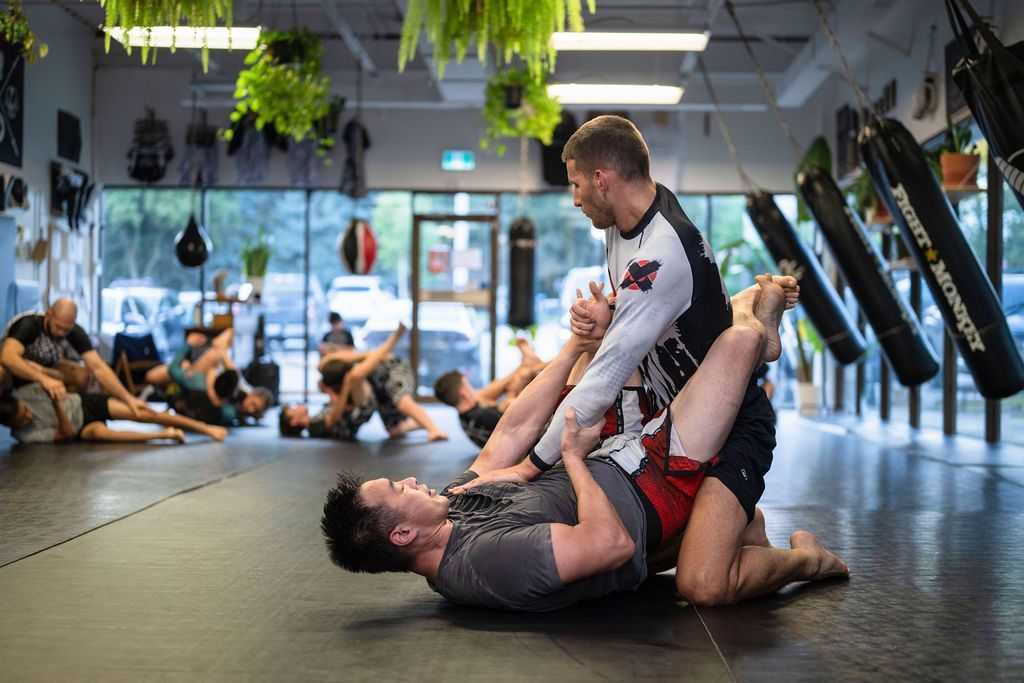
“Am I too old to start martial arts?” is a question a lot of adults ask before ever walking into a gym. Maybe you’ve always wanted to try Muay Thai or Boxing, you’ve become interested in Brazilian Jiu-Jitsu or MMA, or your child recently started martial arts and now you’re wondering what it would be like to try it yourself.
One of the biggest things that holds people back is the feeling that they should have started years ago. It’s easy to look at someone who has been training since they were young and assume you’ve missed your opportunity. But if your goal is to learn something new, get active, challenge yourself, and enjoy training, your age probably matters a lot less than you think.
Here are five common reasons adults think they’re too old to start martial arts—and why they might not be reasons to hold off after all.
1. “I’m Too Old Because I’ve Never Done Martial Arts Before”
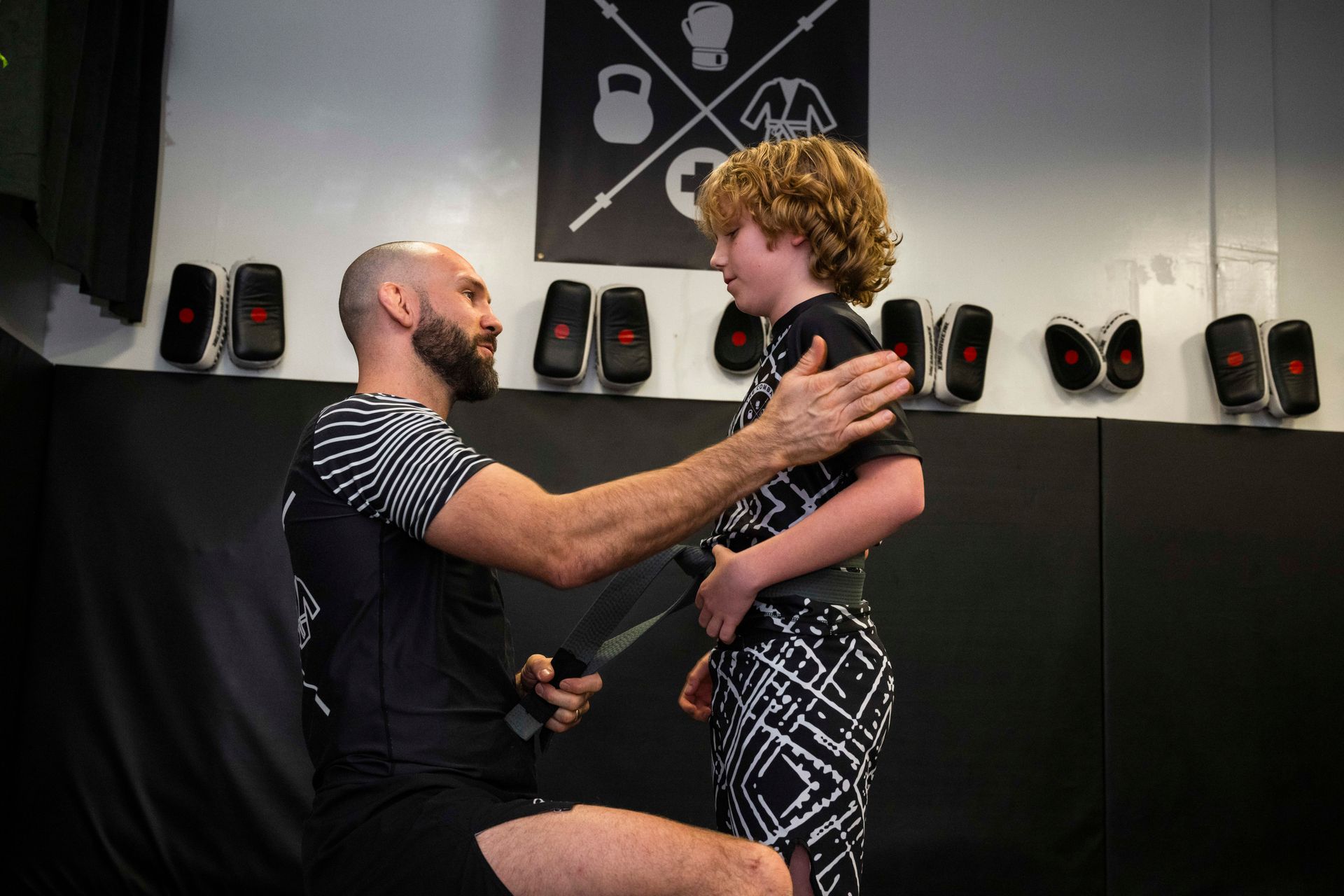
Everyone who trains martial arts had a first class at some point. Some people start when they’re five years old, while others don’t walk into a martial arts gym until they’re well into adulthood. Being a beginner at 30, 40, 50, or beyond still means the same thing: you’re a beginner, and you’re there to learn.
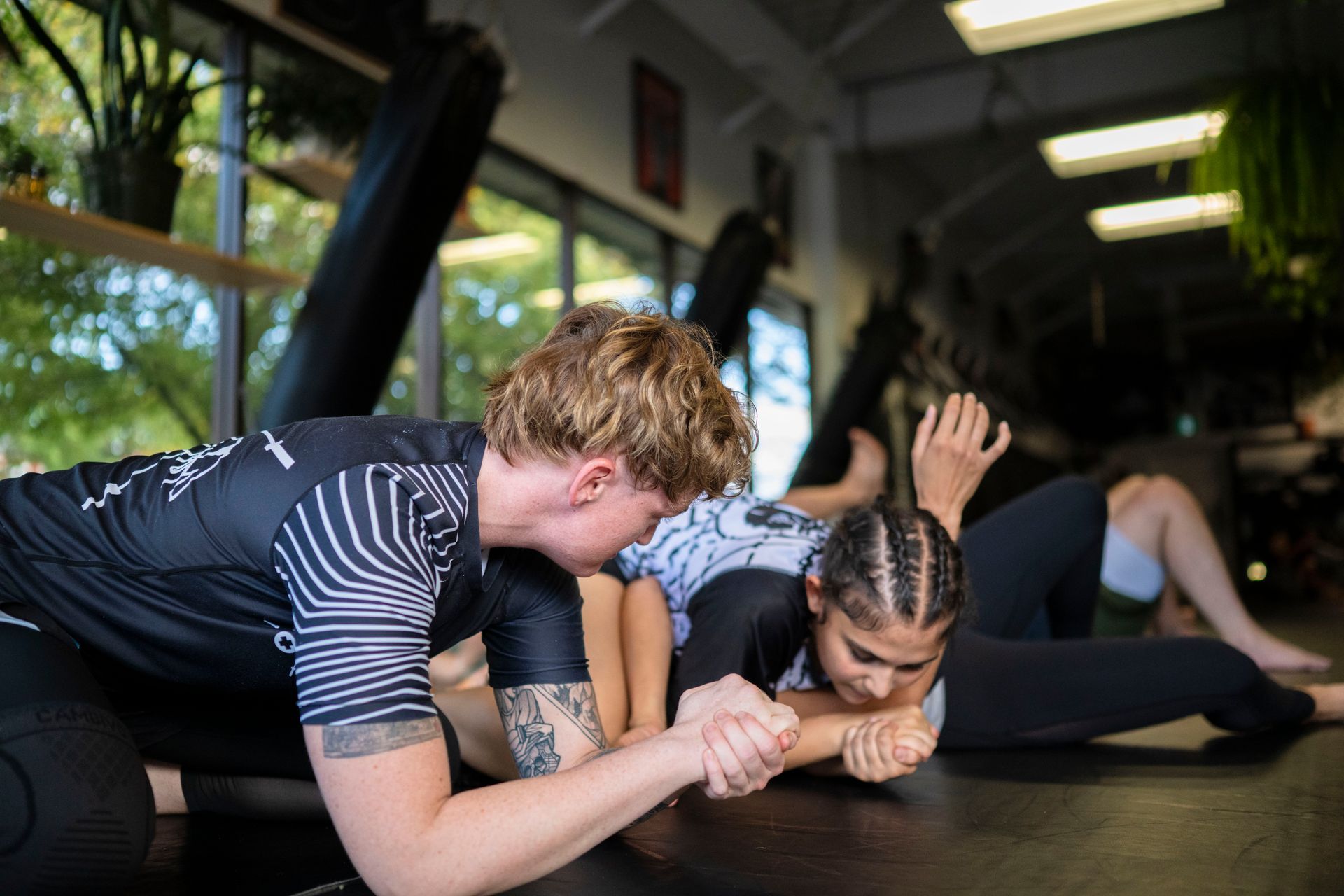
You aren’t expected to walk into your first class knowing how to throw a proper punch, move around the mats, escape a position in BJJ, or understand all of the terminology being used. Those are things you develop through training. Starting later simply means you’re learning them at a different point in your life. Your first class doesn’t need to look like someone else’s hundredth class.
2. “I’m Too Old Because I’m Not in Good Enough Shape”
This is probably one of the most common reasons adults put off trying martial arts. They tell themselves they’ll start once they improve their cardio, lose some weight, get stronger, or generally feel more athletic. The problem is that you can keep moving that starting line forever.
You don’t need to get into “martial arts shape” before you’re allowed to start martial arts. Training itself can become part of how you improve your fitness. Your first few classes may be tiring, and there may be exercises you need to take at your own pace. That’s completely normal for someone starting a new physical activity. As you continue training, the movements become more familiar and you can gradually build your conditioning along the way.
3. “I’m Too Old Because Everyone Else Will Be Better Than Me”
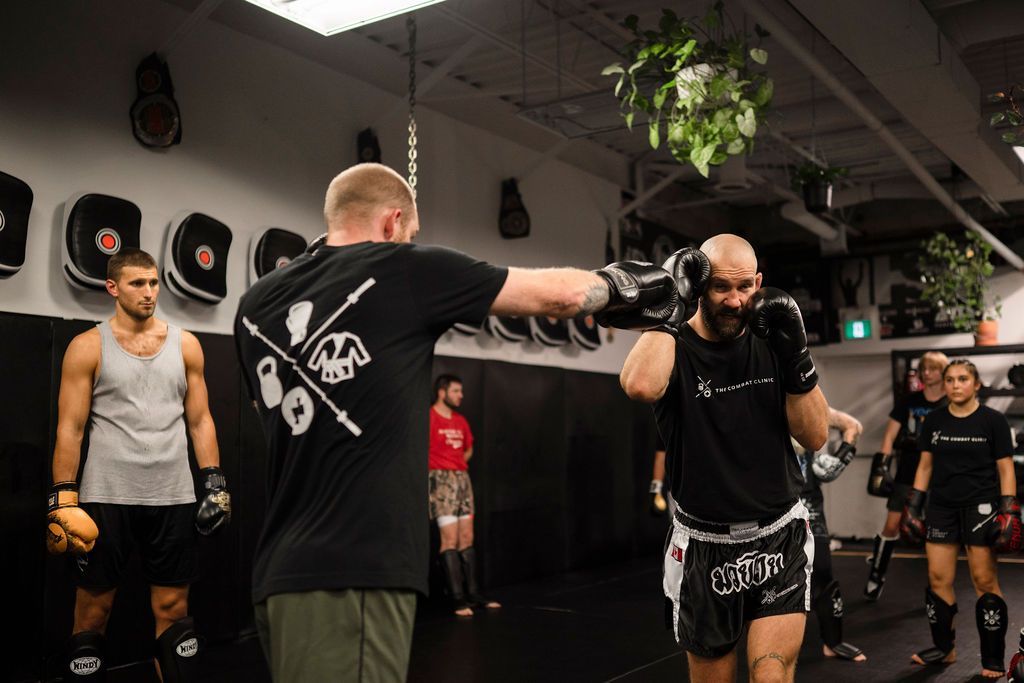
When you walk into an established martial arts gym, there probably will be people who are faster, stronger, more technical, or more experienced than you. That’s true whether you start at 18 or 48. Martial arts gyms naturally have people at different stages of their training, and you aren’t expected to immediately perform at the level of someone who has been doing it for years.
In fact, training around more experienced students can be extremely helpful. A good training partner understands that working with a beginner isn’t about proving who is better. They can help you understand drills, control the pace, and become more comfortable with what you’re learning. Stick around long enough and eventually the roles reverse. Someone new walks through the door, and suddenly you’re the person who has enough experience to help them through their first few classes.
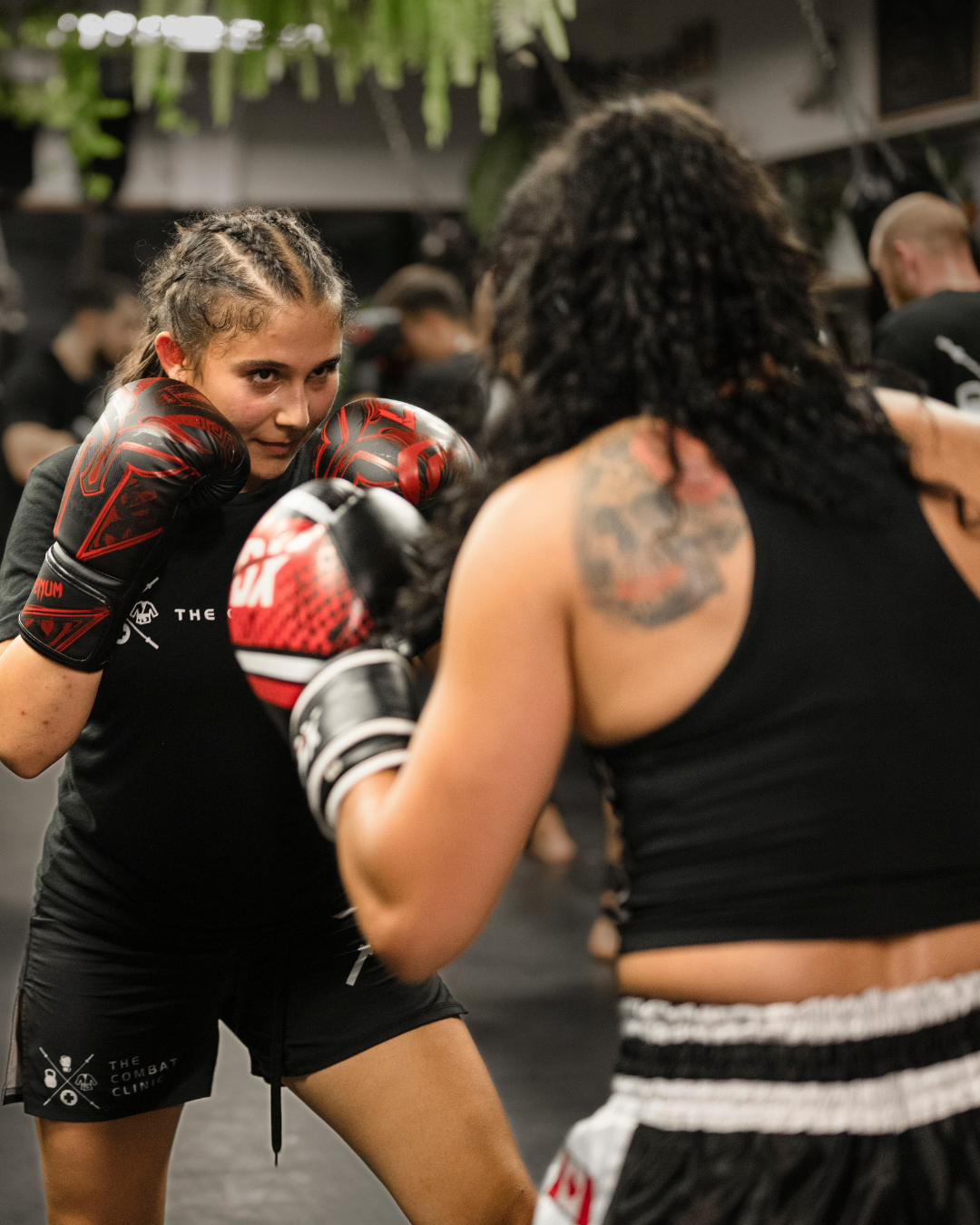
4. “I’m Too Old to Be Getting Punched in the Face”
For some adults, this is what they picture when they hear “MMA gym.” They assume that joining means they’ll immediately be thrown into hard sparring with experienced fighters. That isn’t how beginner training needs to work.
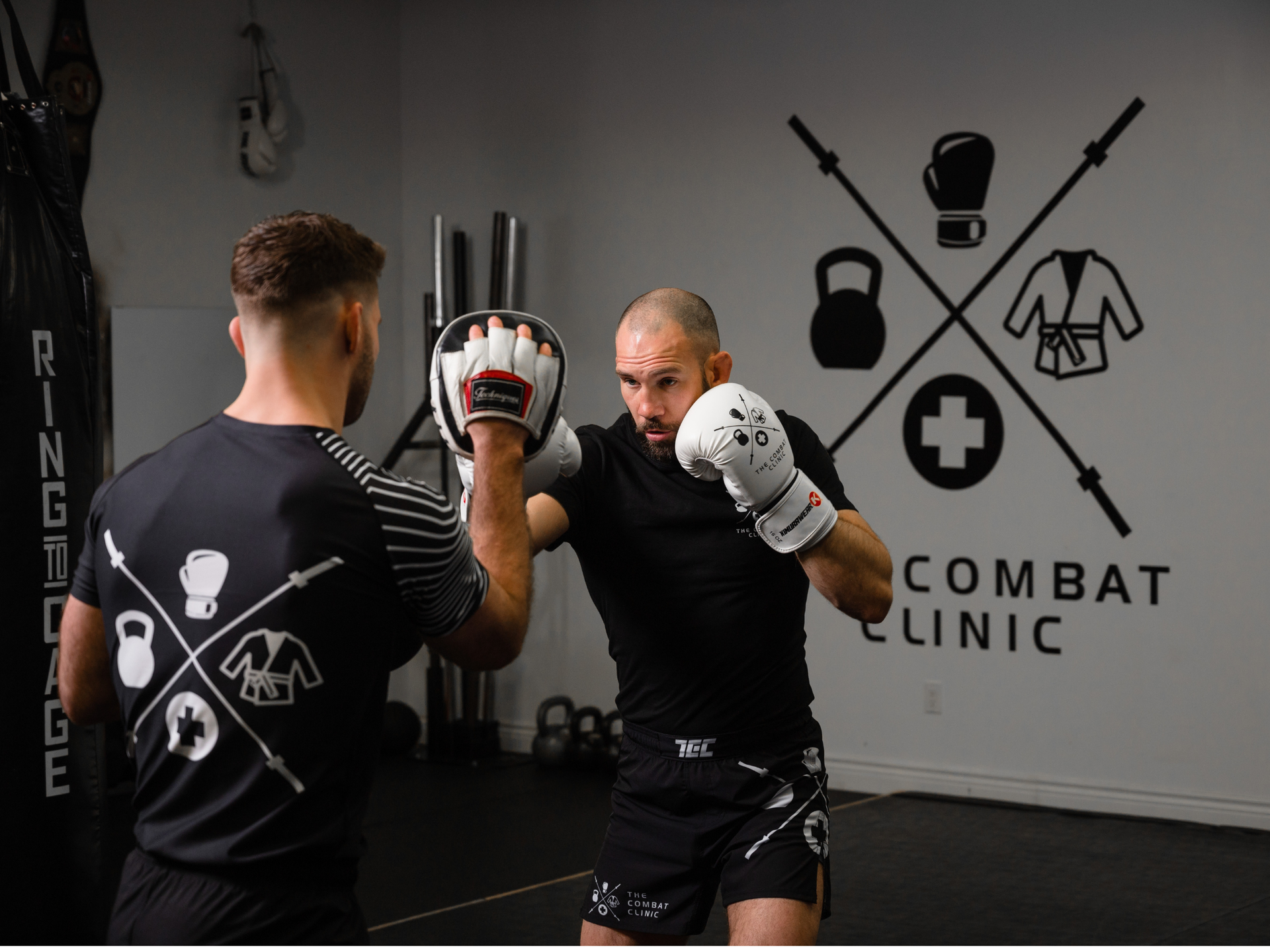
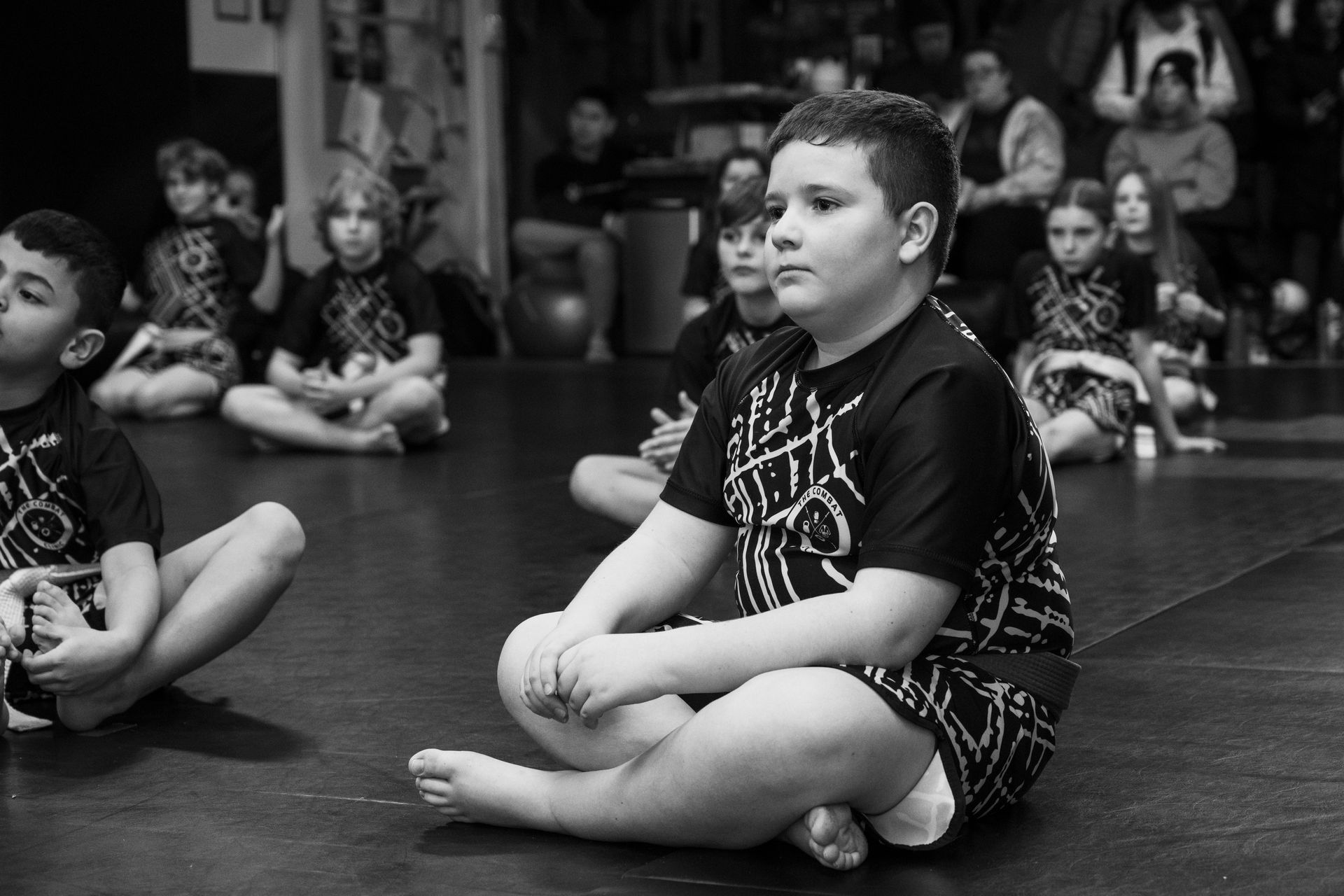
There is a lot to learn before worrying about harder contact. Classes can include technical instruction, pad work, partner drills, movement, defence, grappling, and conditioning. You have time to develop your skills and become comfortable with the sport. Sparring also doesn’t have to be the reason you train. Some people eventually enjoy it, while others are much more interested in learning technique, getting a workout, and having a hobby they can continue improving at.
You also don’t need to have any interest in competing. A martial arts gym can have active competitors and experienced fighters training alongside adults who simply enjoy coming in a few times a week and learning something new.
5. “I Should Have Started 10 Years Ago”
This is probably the hardest argument to disagree with. Sure, it would have been great to start ten years ago. You would have ten years of experience by now. But unless someone invents a time machine, that isn’t particularly useful information. The better question is what happens if you wait another ten years.
Someone who starts martial arts at 40 may wish they started at 30, but when they’re 50, they’ll probably be pretty happy they didn’t wait. The same applies whether you’re 25, 35, 45, or 55. Progress in martial arts comes from individual classes adding up over time, and the only part of that process you can control is when you decide to take the first one.
So, Am I Too Old to Start Martial Arts?
If you’ve read this far hoping for a specific age where you officially become “too old” for martial arts, we don’t really have one for you.
You don’t need previous experience to start. You don’t need to already be in amazing shape. You don’t need to be as good as the experienced students in the room, and you certainly don’t need to have plans to compete.
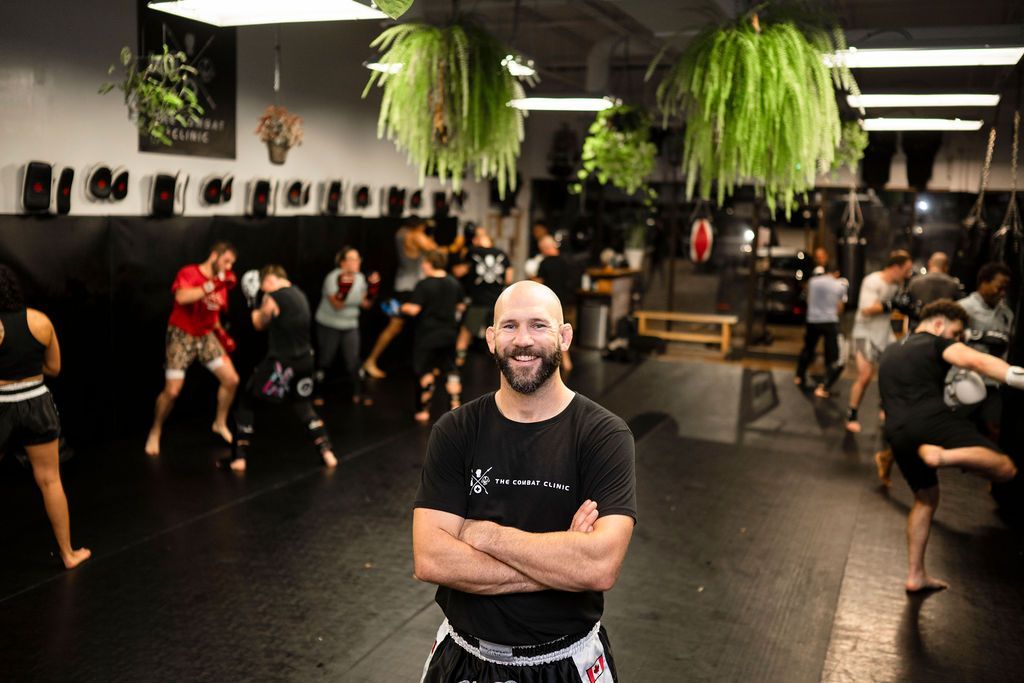
At The Combat Clinic, adults train Muay Thai, Boxing, Brazilian Jiu-Jitsu, and MMA for all kinds of reasons. Some want to improve their fitness, some want to learn practical martial arts skills, some enjoy the challenge, and others were simply looking for a hobby that was more interesting than their usual workout routine.
There will always be a reason to put off trying something new. Being a beginner can feel uncomfortable, especially when you’re an adult and you’re used to knowing what you’re doing. But being the oldest beginner in the room is still better than spending another ten years wondering what would have happened if you started.
Y
our starting point is your starting point. You just have to start.