5 Ways to Make Sure Your Child Is Training Martial Arts Safely

October 18, 2026

What parents should look for when choosing MMA, Brazilian Jiu-Jitsu, kickboxing, or another martial art for their child.
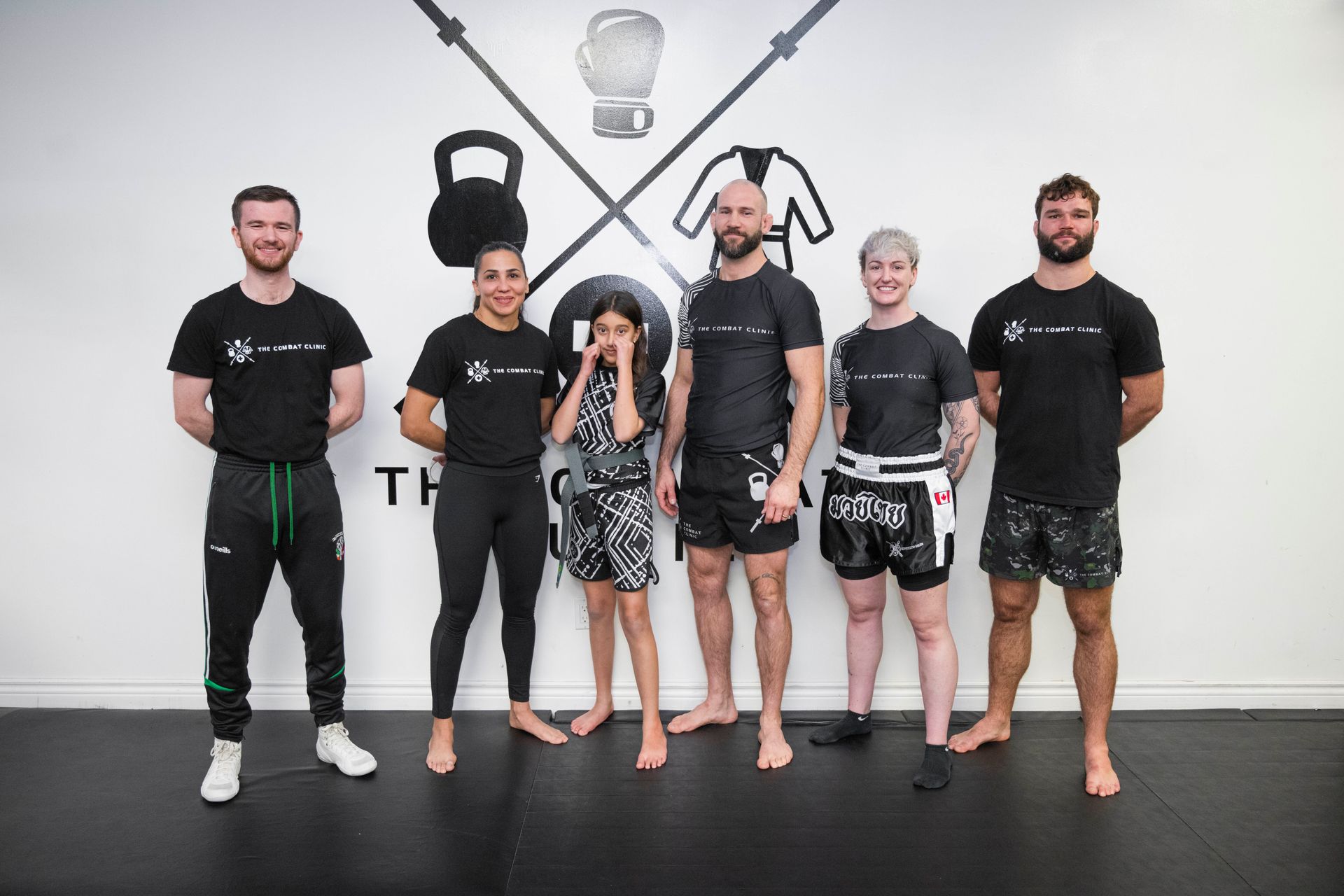
If you're considering martial arts for your child, one of your first questions might be: Is martial arts safe for kids? Like any physical activity or sport, martial arts comes with some risk. However, there are several things parents can look for—and a few simple habits kids can follow—that can help create a safer training environment. Whether your child is trying martial arts for the first time or already trains every week, here are five things worth keeping in mind.


1. Find a Gym That Takes Safety Seriously


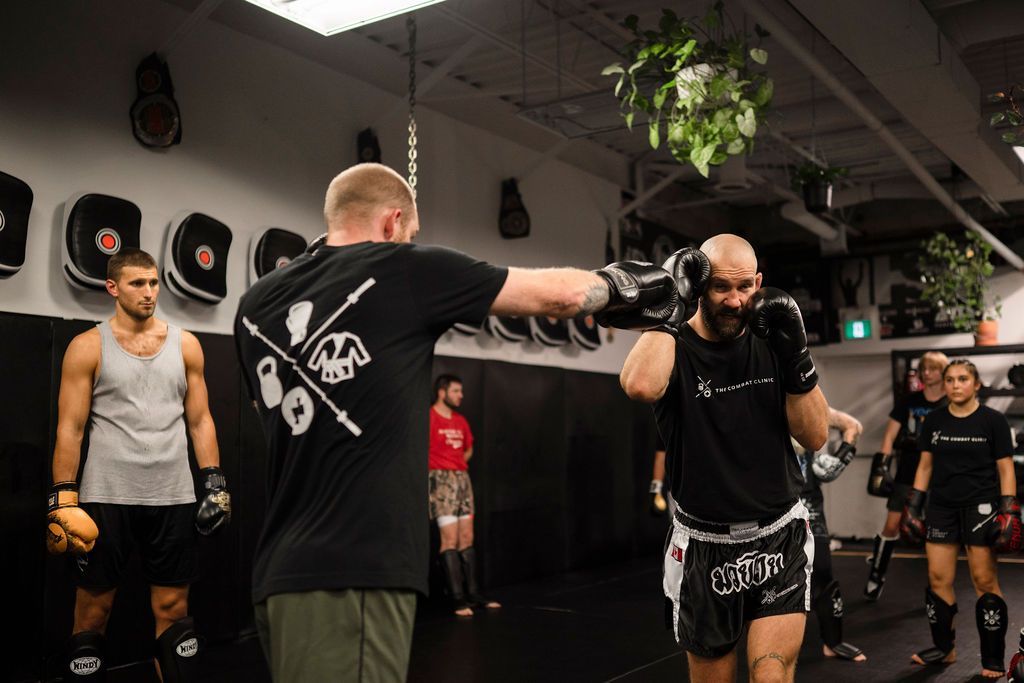
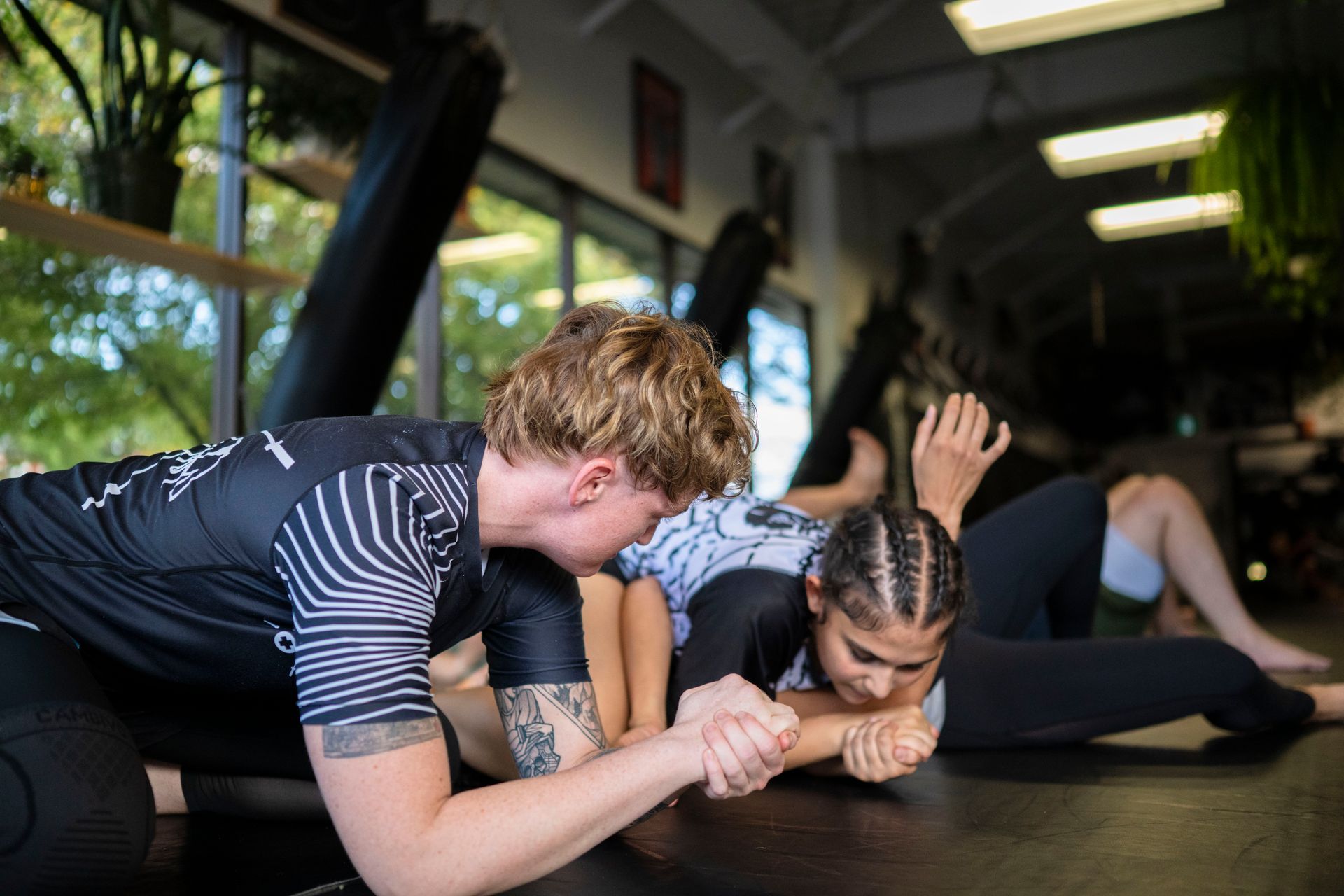
Not every martial arts gym approaches children's training the same way. When visiting a gym, pay attention to how classes are actually run. Are coaches actively supervising? Are techniques appropriate for the students' ages and experience levels? Are kids taught control rather than simply being encouraged to go as hard as possible? A good kids' martial arts program should be challenging and fun, but safety should always be part of how classes are structured. Parents should also feel comfortable asking questions. If you're unsure about sparring, equipment, contact levels, or how a particular technique is taught, ask the coaching staff. At The Combat Clinic, safety is something we emphasize throughout our kids' programs, from learning basic techniques to eventually applying those skills with a partner.


2. Look for Experienced Coaches


Knowing martial arts and knowing how to safely teach martial arts aren't necessarily the same thing.

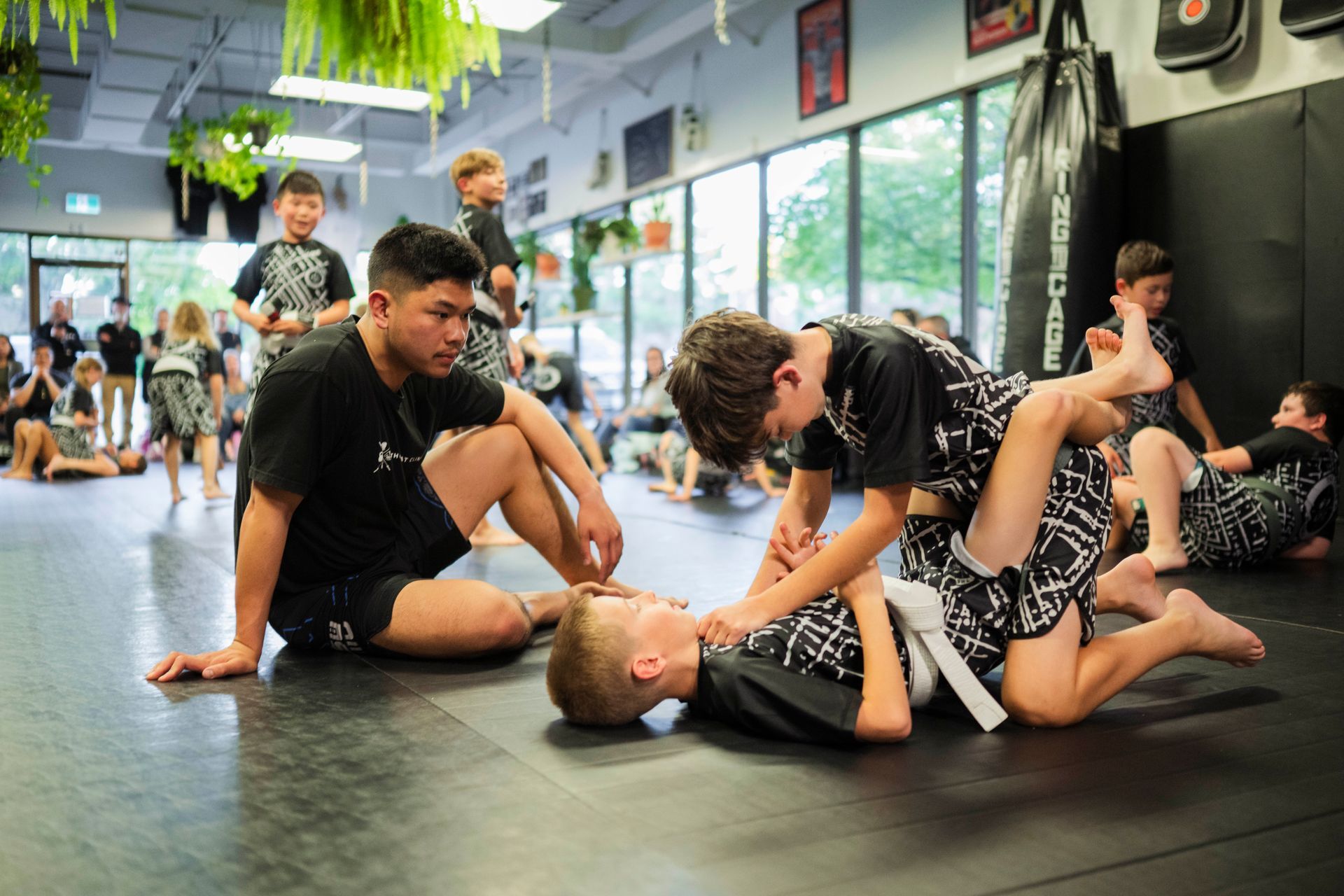
Experienced coaches should understand when students can be pushed and when they need to slow things down. They should also be able to recognize differences in size, experience, confidence, and ability when pairing children together.

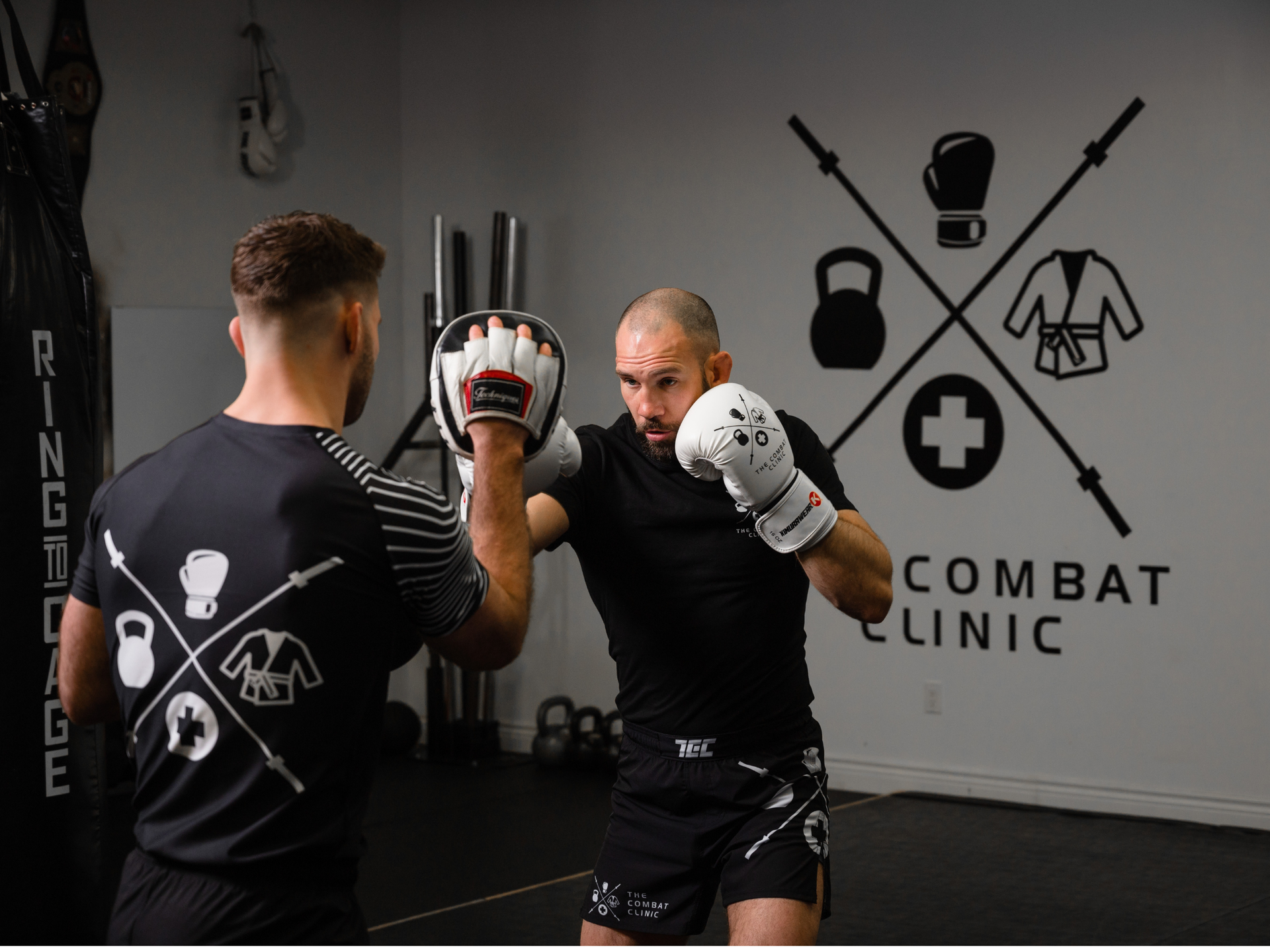
At The Combat Clinic, our coaches come from competitive martial arts backgrounds. That experience gives them an understanding of what training and competition actually feel like, not just how techniques look.

Just as importantly, our coaches care about creating an environment where kids can learn those techniques safely.

The goal isn't to turn every child into a fighter. It's to give them an opportunity to learn martial arts, develop their skills, build confidence, and enjoy training.


3. Remove Jewellery Before Class


This is an easy one that can sometimes get overlooked. Necklaces, bracelets, watches, rings, and other jewellery should be removed before training. These items can get caught on clothing, equipment, or another student during partner work. If your child has earrings that can't be removed, speak with the coaching staff. Depending on the activity, they may need to be securely covered or taped before participating. It's a good habit to do a quick jewellery check before your child steps onto the mats.


4. Make Sure They Have the Right Equipment


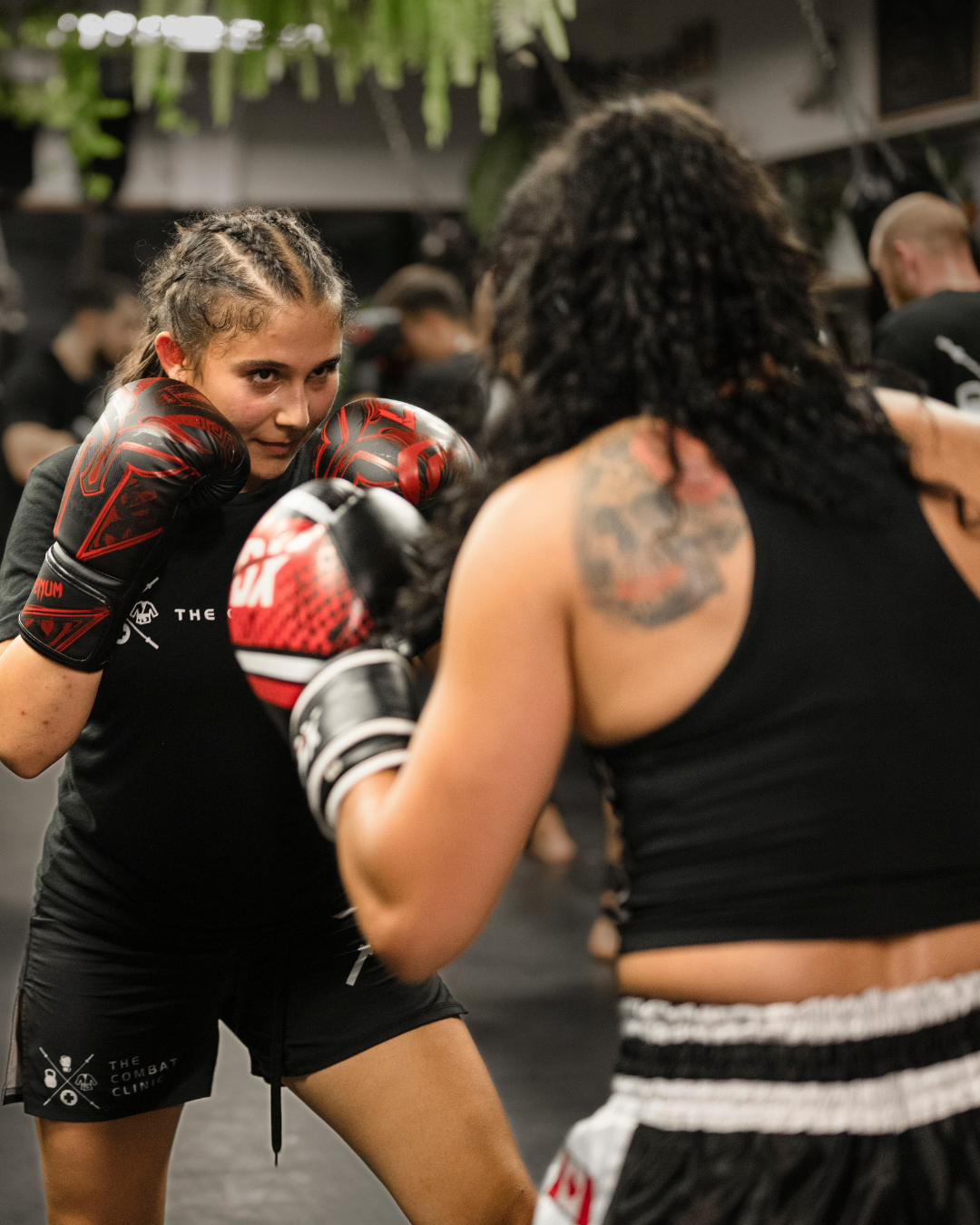
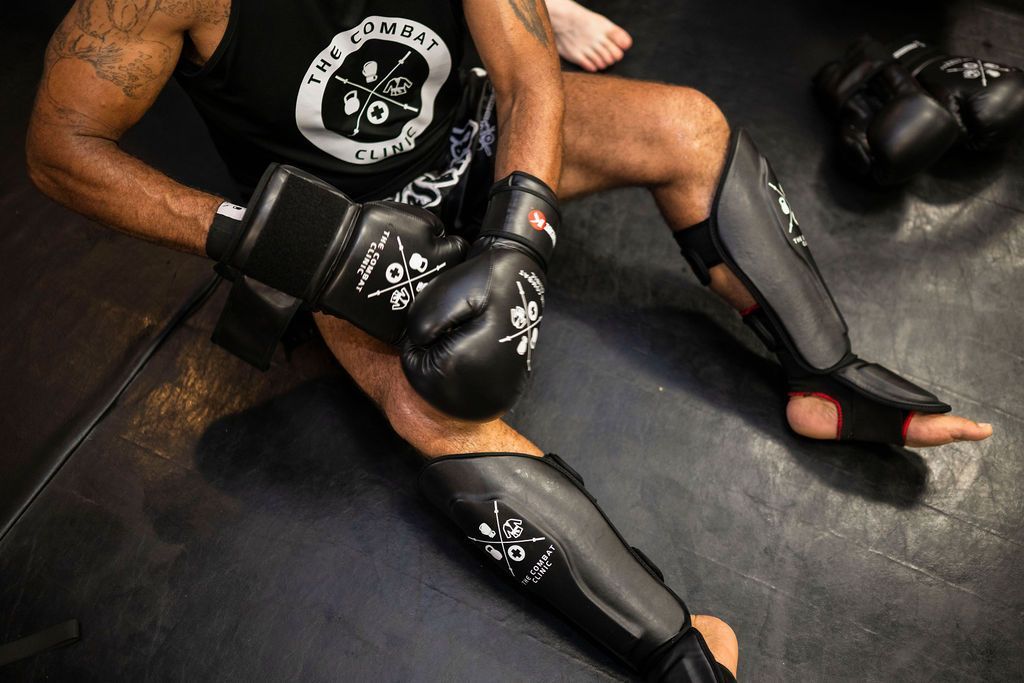
Protective equipment only works when you actually bring it. Depending on what your child is training that day, they may need equipment such as boxing gloves, shin guards, a mouthguard, or the appropriate uniform and training clothes. Parents don't need to know everything on day one. Ask the gym what equipment is required for your child's specific program and when they'll need it. As kids progress, it's also worth checking their equipment occasionally. Children grow quickly, and gloves, shin guards, uniforms, and other gear may eventually need to be replaced or resized.

One of the easiest things parents can do is create a quick gym-bag routine with their child so everything they need makes it to class.


5. Teach Kids That Speaking Up Is Part of Training


This might be one of the most important habits a young martial artist can develop. Kids should know that it's okay to tell a coach if something hurts, if they don't understand a technique, if a piece of equipment doesn't fit properly, or if they're uncomfortable with something happening during training. They shouldn't feel like they need to hide an injury or keep going just because everyone else is. Martial arts can teach kids resilience and how to work through challenges, but there's an important difference between being challenged and ignoring something that could lead to an injury.

Coaches can only help with a problem if they know about it.


So, Is Martial Arts Safe for Kids?

Martial arts is a physical activity, so no gym can promise that injuries will never happen. The same is true of hockey, soccer, gymnastics, basketball, and other youth sports.

What parents can do is look closely at the environment their child is training in.

Experienced coaches, appropriate supervision, proper equipment, removing jewellery, and teaching children to communicate when something doesn't feel right can all contribute to safer training.

At The Combat Clinic, we want kids to be able to challenge themselves, learn real martial arts skills, and enjoy coming to class while training in an environment where safety is taken seriously.

If you're considering martial arts for your child, you're always welcome to come in, watch how a class is run, meet our coaches, and see the training environment for yourself.
October 25, 2026
Thinking about trying MMA, Muay Thai, Boxing, or Brazilian Jiu-Jitsu but worried you waited too long to start?
October 11, 2026
A simple guide to staying clean, healthy, and considerate when training MMA, Muay Thai, Boxing, or Brazilian Jiu-Jitsu.
October 4, 2026
How sharing martial arts can give parents and kids something active, challenging, and enjoyable to experience together. 
September 26, 2026
A simple guide to finding the martial arts program that fits what you’re looking for
August 11, 2026
A look at the values that shape how martial artists train, learn, and treat others
August 7, 2026
Simple habits to help you train smarter and improve consistently.
July 28, 2026
Everything you need to know before stepping onto the mats for the very first time
July 22, 2026
Is Martial Arts actually safe?
December 6, 2025
If you've been thinking about trying martial arts but haven't pulled the trigger yet, you're not alone. Walking into an MMA gym for the first time feels intimidating, especially when you're picturing a room full of people who've been training for years. Here's what actually happens at The Combat Clinic in Burlington: you walk in, and you're surrounded by people who started exactly where you are. Women from all different backgrounds and fitness levels, working on their own goals, celebrating small wins, and helping each other improve. The environment isn't what you expect. It's challenging, yes, but it's also supportive, welcoming, and focused on progress over perfection. What Changes When You Start Training The benefits go far beyond learning how to throw a punch or execute a submission. Women who train consistently talk about feeling more confident in everyday situations: walking to their car at night, handling confrontation at work, or just moving through the world with a different energy. There's something powerful about knowing you can defend yourself if you need to. But it's not just about self-defense. Training at The Combat Clinic builds mental toughness. You learn how to stay calm under pressure, how to problem-solve when you're tired, and how to push past the voice in your head that says you can't. Whether you're drilling Muay Thai combos, rolling in No Gi BJJ, or working the heavy bag in our women's-only kickboxing class, you're training your mind as much as your body. And let's be honest: life is stressful. Martial arts gives you an outlet that actually works. There's something incredibly grounding about hitting pads, working through techniques, and leaving everything on the mats. You walk out of class clearer, calmer, and more in control than when you walked in. The Physical Side Is Real You'll get stronger. Your cardio will improve. You'll move better, feel better, and probably sleep better too. But the physical transformation is almost secondary to what happens mentally. The discipline you build, the resilience you develop, the way you start handling setbacks differently—that's what sticks with you long after class ends. Our coaches have serious competitive experience, but they're also experts at working with beginners. They know how to break down complex techniques, meet you where you are, and help you build a solid foundation. Whether you're training in our co-ed MMA classes or prefer the women's-only kickboxing sessions, you'll be learning from people who genuinely care about your progress. It Becomes Part of Who You Are What starts as "I'll just try a class" often becomes something much bigger. You stop seeing challenges as obstacles and start seeing them as opportunities to grow. You develop confidence that isn't loud or showy; it's just solid. You know what you're capable of, and that knowledge changes how you move through the world. The women training at The Combat Clinic in Burlington aren't all aspiring fighters. They're students, professionals, moms, and people just looking for something that makes them feel strong. What they all have in common is that they took the first step, and that step changed things. If you've been on the fence, now's the time. We offer MMA, Muay Thai, Boxing, No Gi BJJ, and women's-only kickboxing classes. Come try a class and see what it's about.
By scott hudson • November 12, 2025
Mixed Martial Arts (MMA) has grown far beyond the spotlight of professional competition and it’s become a trusted way for families to help their kids build confidence, discipline, and healthy habits. At The Combat Clinic in Burlington, we see firsthand how martial arts training helps students at every stage of life develop physical fitness, emotional resilience, and respect for others. Whether your child is just starting school or entering their teen years, MMA offers lessons that extend far beyond the mats. Ages 4–7: Building Confidence and Coordination For our youngest students, MMA is all about learning through play and movement. Classes at this stage focus on developing balance, coordination, and listening skills in a fun, positive environment. Kids learn how to follow directions, focus on tasks, and work respectfully with partners, all skills that transfer directly to school and home life. Early exposure to martial arts also helps children feel proud of their progress, boosting self esteem in healthy, meaningful ways. At this age, the goal isn’t competition it’s confidence. Ages 8–12: Learning Discipline and Self-Control As kids grow, they start to crave independence and that’s where MMA really shines. Training teaches them the value of hard work, consistency, and respect for both themselves and their peers. This age group begins to understand structure and goal setting. Whether it’s mastering a new technique or earning their next belt, students learn that progress comes from showing up and giving their best effort. They also develop self-control both physically and emotionally. Knowing how to handle frustration, channel energy productively, and stay calm under pressure are life skills that last well beyond the gym. Teens: Building Strength, Leadership, and Resilience For teenagers, MMA offers a healthy outlet during a time of big transitions. It challenges them physically while giving them a strong sense of belonging and purpose. Training helps teens build strength, confidence, and leadership skills. They learn to set goals, support teammates, and push through challenges lessons that translate to school, work, and everyday life. Many parents tell us that their teens become more focused, motivated, and self-assured after joining our programs. The structure and mentorship they receive in the gym often help them navigate the pressures of social life and academics with greater maturity. Adults and Parents: Leading by Example It’s not just kids who benefit from MMA. Many parents at The Combat Clinic join our adult programs to stay active, relieve stress, and share a healthy lifestyle with their families. Training together builds a sense of teamwork and shared accomplishment. It also shows children that learning, growth, and self-care are lifelong habits. Whether you’re trying MMA for fitness, self-defense, or personal challenge, you’re setting a positive example that kids will follow. Why Start Now? Starting MMA early gives children a foundation that supports them for life. Beyond fitness and coordination, they gain essential social and emotional tools respect, discipline, empathy, and resilience. At The Combat Clinic, our instructors work to create a welcoming environment where every student feels safe, supported, and encouraged to reach their potential. We focus on character development just as much as physical skill, helping young athletes grow into confident, capable individuals. Final Thoughts MMA isn’t about aggression, it’s about growth. It teaches focus, humility, and perseverance while helping children discover their own strength. From playful beginnings to the discipline of advanced training, each stage of development offers unique lessons that shape who they become. If you’re a parent looking for a positive, confidence-building activity for your child, MMA might be the perfect fit. Ready to see the difference? Come visit us at The Combat Clinic in Burlington and try a free class. Our team is here to guide your child through every step of their martial arts journey one punch, kick, and smile at a time.