5 Simple Habits That Help You Improve Faster in Martial Arts
Simple habits to help you train smarter and improve consistently.

When people first start martial arts, it's easy to assume that the students who improve the fastest are naturally athletic or have previous experience.
In reality, progress usually comes down to consistency and developing good training habits.
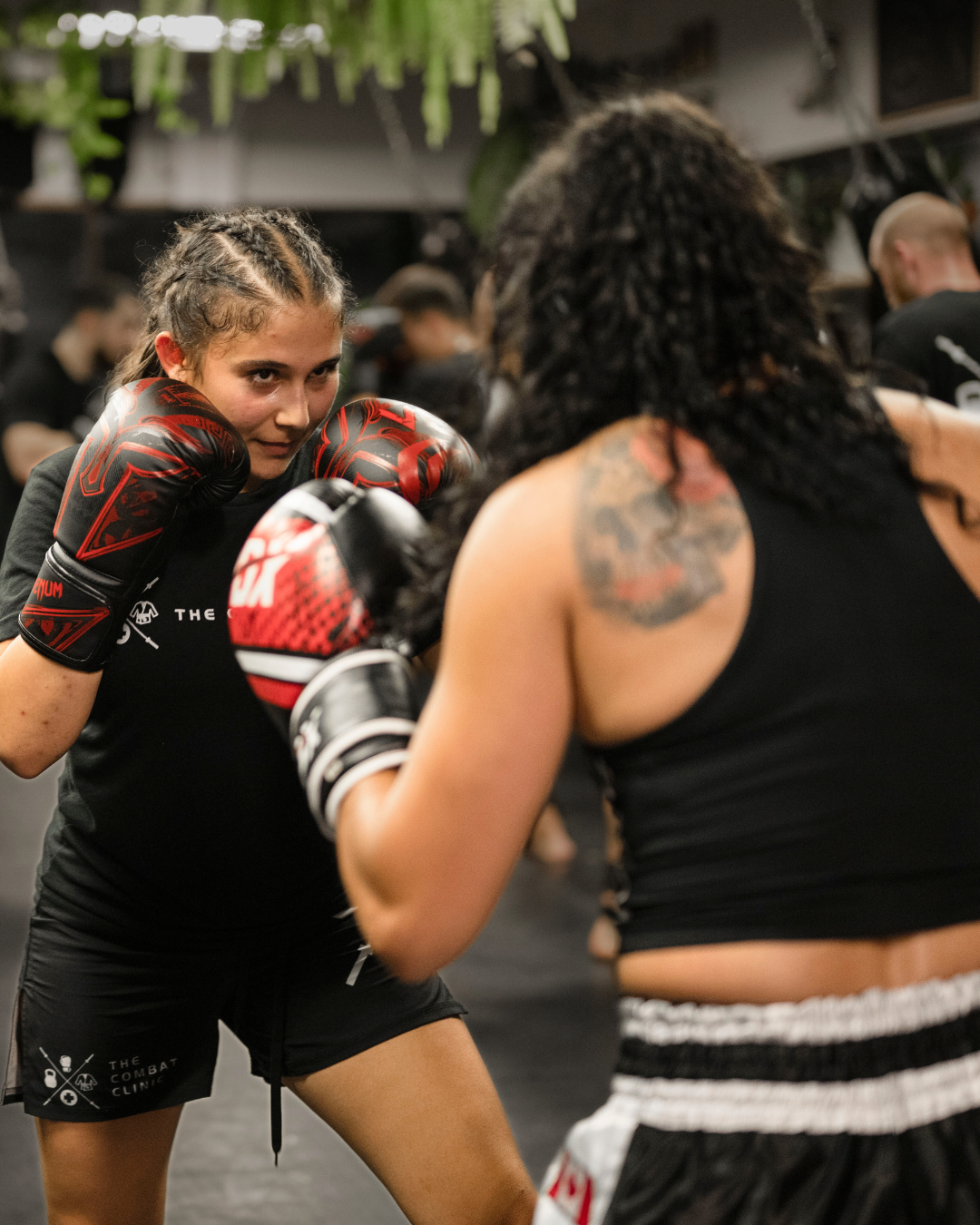
Whether you're training Muay Thai, Boxing, No-Gi Brazilian Jiu-Jitsu, or MMA, there are a few simple things you can do to get more out of your time in the gym. At The Combat Clinic, these are five habits we encourage for both new and experienced members.
1. Train Consistently
Consistency is one of the biggest factors in improving at martial arts. You don't need to train every day. For many people, two or three classes per week is enough to make steady progress, especially when you're first starting. Regular training gives you more opportunities to practice the same movements and techniques. Over time, things that initially feel unfamiliar start to become much easier. It's also better to choose a training schedule that fits realistically into your week. Training several days in a row and then taking a few weeks off can make it harder to retain what you've learned.
At The Combat Clinic, members train for different reasons and at different frequencies. Some are interested in competition, while others train for fitness, self-defence, or simply because they enjoy it. Finding a schedule that you can maintain is more important than trying to train as often as possible.
2. Spend Time On The Fundamentals
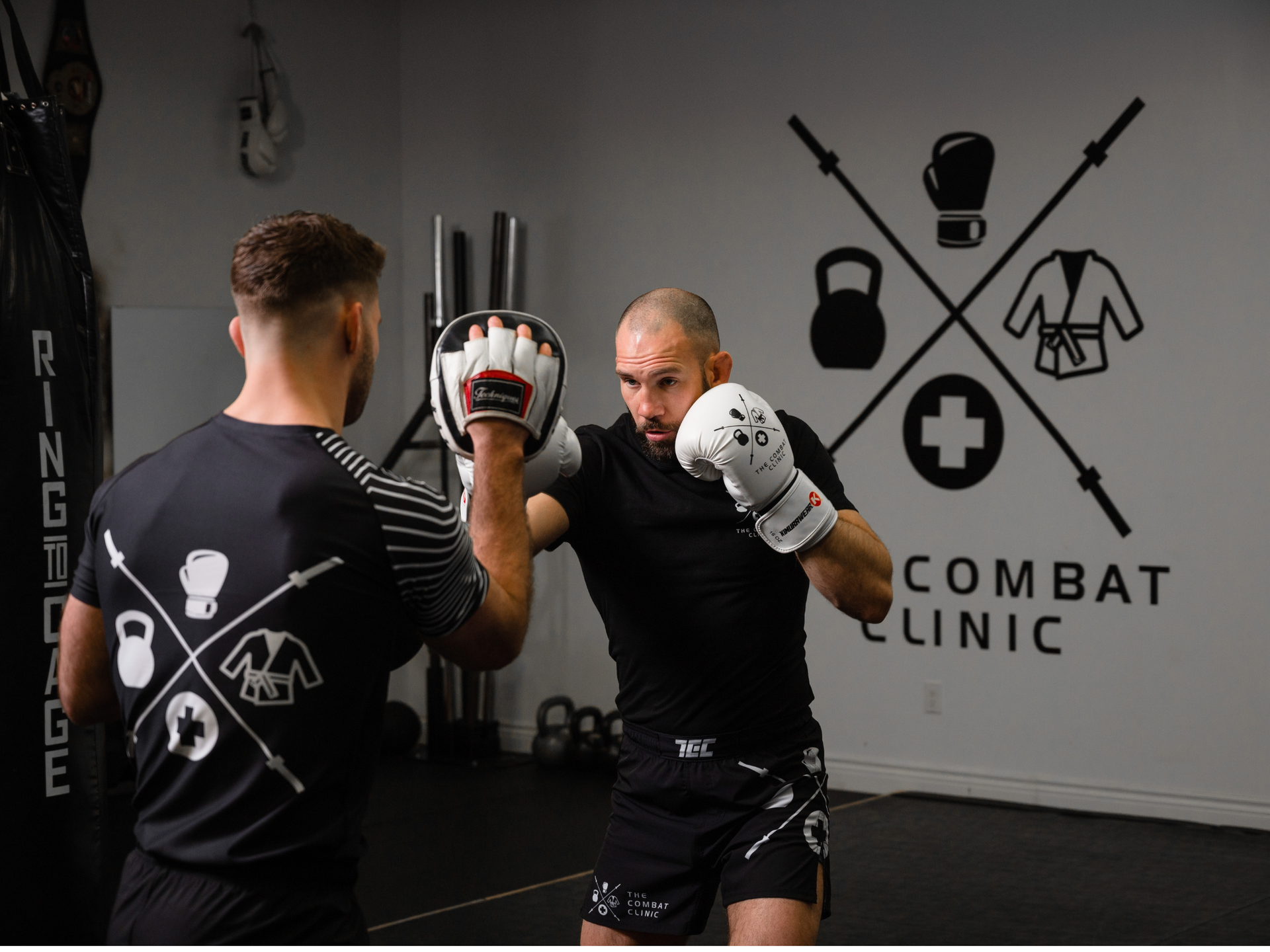
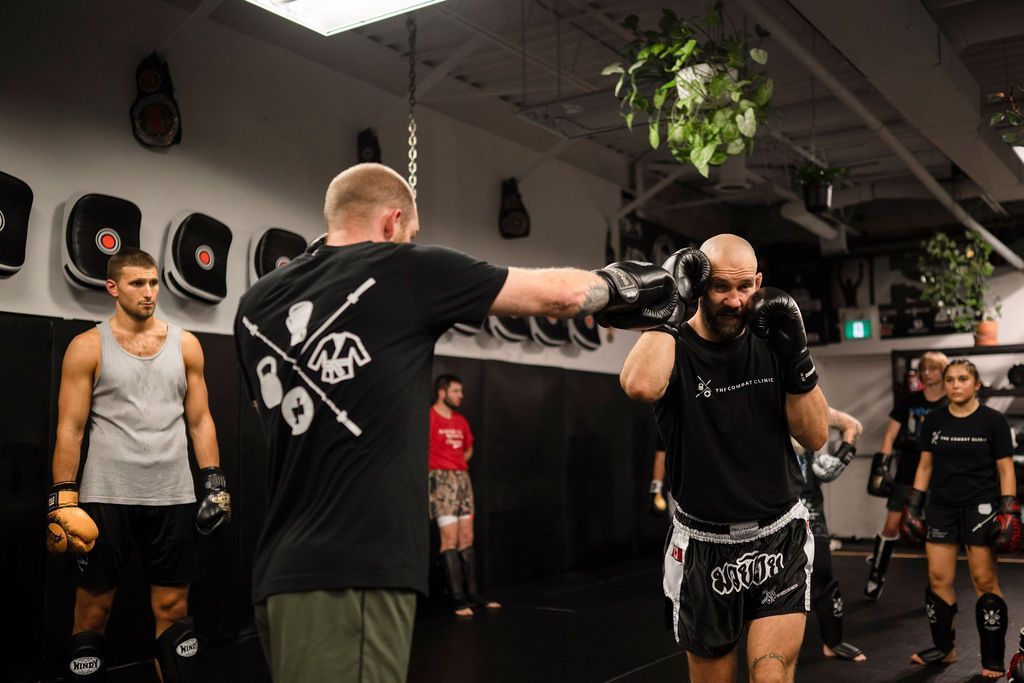
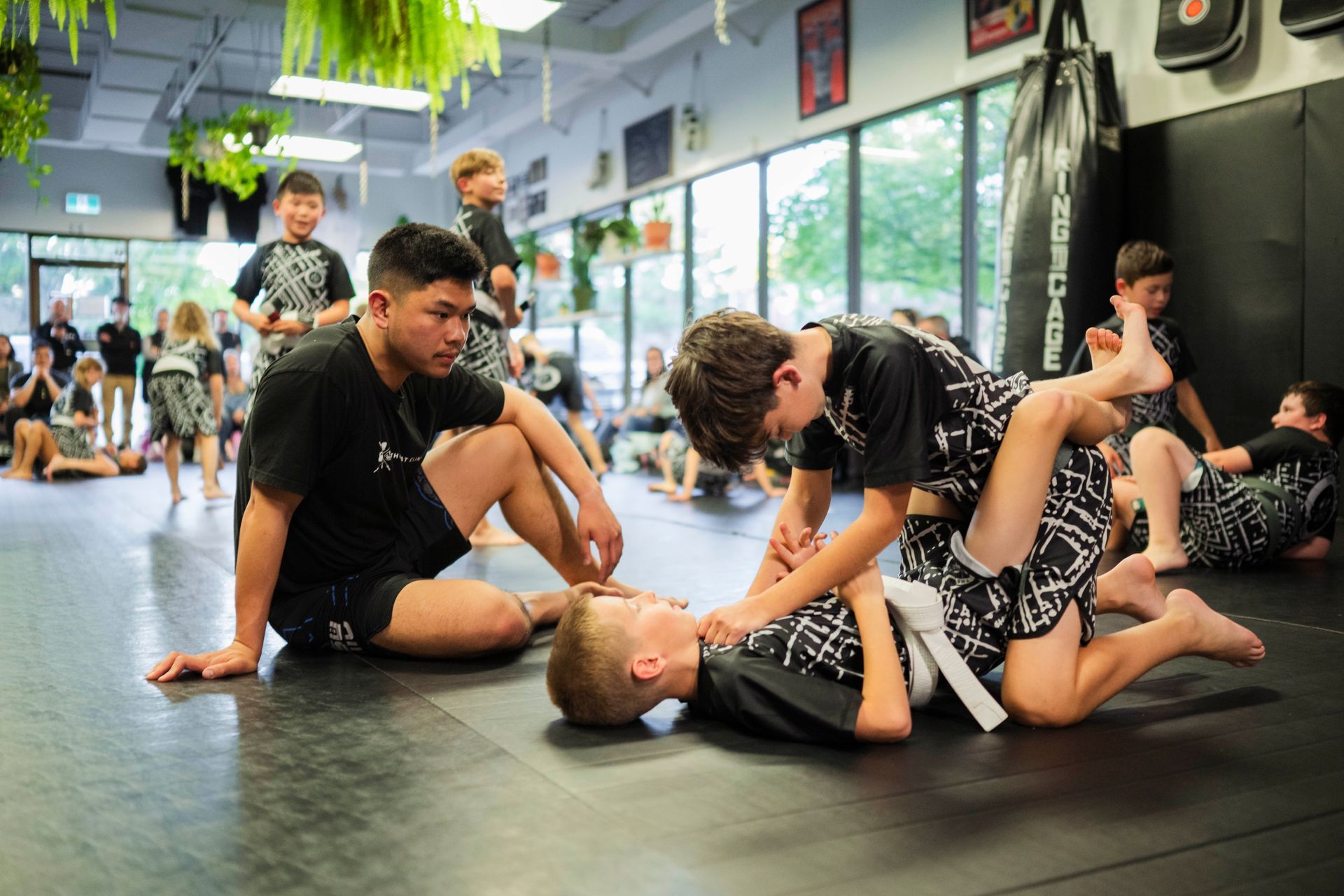
When you're new to martial arts, advanced techniques can naturally grab your attention. However, most advanced techniques depend on having a good understanding of the basics first. In Boxing and Muay Thai, that includes stance, footwork, balance, defence, and basic strikes. In No-Gi BJJ, it includes positioning, movement, control, escapes, and basic submissions.
In MMA, you eventually need to understand how these different areas work together. Even experienced martial artists regularly practice fundamental techniques. Improving the basics makes it easier to understand more complicated techniques as they're introduced. As a beginner, there's no need to worry about learning everything quickly. Pay attention to the techniques being taught that day and try to understand the important details.
3. Ask Questions When Something Doesn't Make Sense
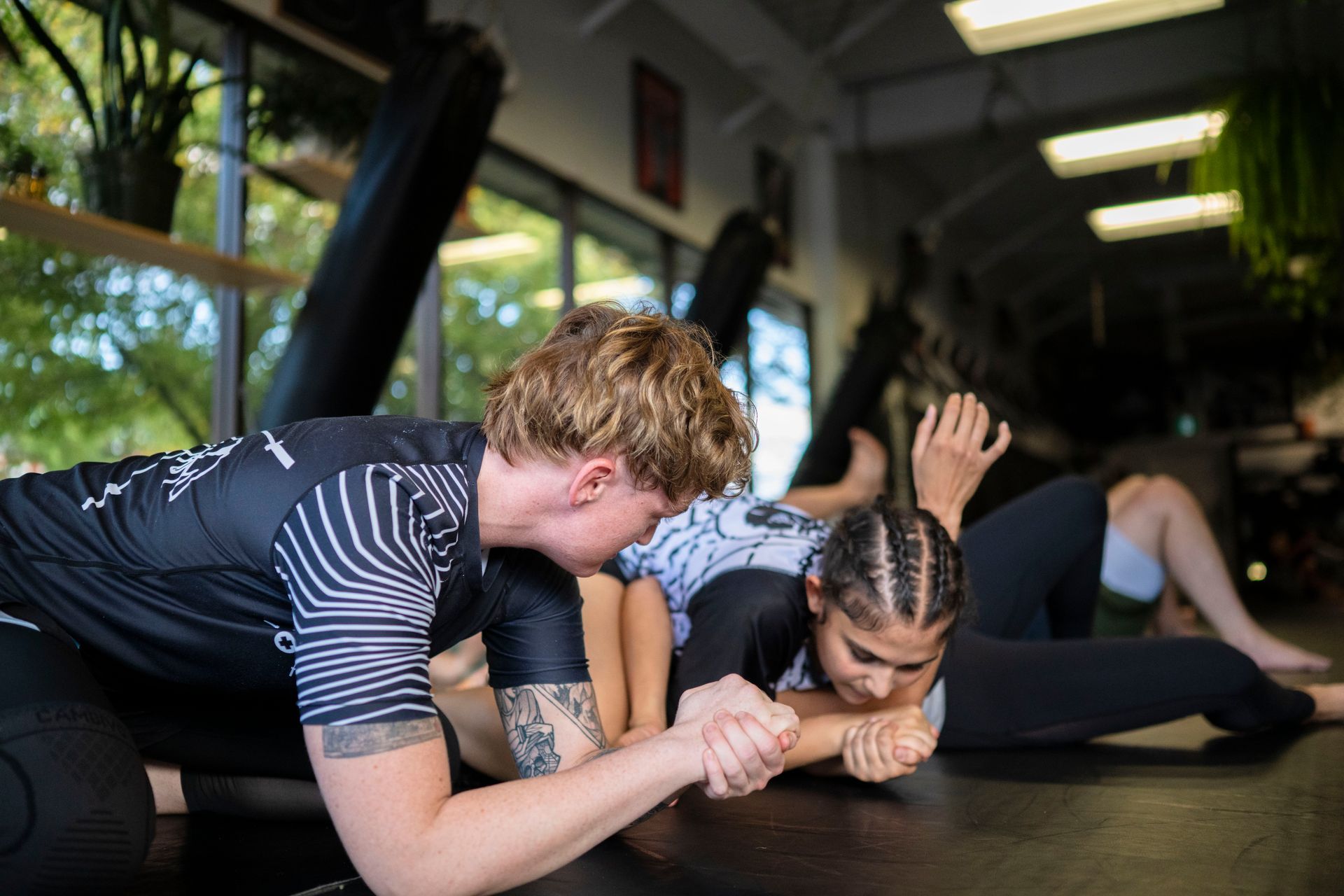
It's completely normal to need clarification during a martial arts class. Sometimes a small adjustment to your stance, positioning, grip, or movement can make a technique significantly easier to understand. If something isn't working, ask your coach. Coaches at The Combat Clinic can help identify what needs to be adjusted and explain why a technique works the way it does.
Training partners can also be a useful resource. If you're drilling with someone who has more experience, they may be able to point out a small detail you missed during the demonstration. Beginners aren't expected to walk into class already knowing what they're doing. Asking questions is simply part of learning.
4. Take Recovery Seriously
Martial arts can be physically demanding, particularly during your first few weeks when your body is adjusting to a different type of exercise.
Sleep, hydration, nutrition, and rest all play a role in how you feel during training. You may experience some general soreness when starting, but it's also important to recognize when your body needs additional rest. If you're dealing with an injury or something doesn't feel right, let your coach know before class. In many situations, exercises or drills can be adjusted.
Recovery becomes especially important when you're balancing martial arts with work, school, other sports, or family responsibilities.
You don't need to train every day to improve. A manageable schedule that includes enough recovery time will usually be easier to maintain over the long term.
5. Give Yourself Time To Improve
Progress in martial arts isn't always immediately noticeable. There may be classes where techniques feel easy and others where you struggle with something you've practiced before. That's a normal part of learning a skill with a lot of moving parts. Instead of focusing only on major milestones, pay attention to smaller improvements. Your conditioning may be better than it was a few months ago. You might remember combinations more easily, understand positions faster, or feel more comfortable working with different training partners. These changes can be difficult to notice from one class to the next, but they become much more noticeable over longer periods of consistent training.
At The Combat Clinic, we encourage members to focus on learning rather than comparing their progress to other people in the room. Everyone starts with different experience, fitness levels, and goals.
Starting Martial Arts as a Beginner
You don't need previous experience to start martial arts. You also don't need to get in shape before joining. Many people begin training specifically because they're looking for a new way to exercise, improve their fitness, learn self-defence, or develop a new skill.
Beginner classes are about learning the fundamentals and gradually becoming more comfortable with the movements and training environment.
At The Combat Clinic in Burlington, members can train in Muay Thai, Boxing, No-Gi BJJ, MMA, and other martial arts programs with instruction for a range of experience levels.
If you're new, focus on attending consistently, learning the fundamentals, asking questions when you need help, and giving yourself enough time to recover. Those habits will make it easier to continue progressing as you gain more experience.